Lucky people aren't born that way. Science says they do these things differently
A psychologist spent ten years studying people who call themselves lucky. The difference wasn't fate. It was a few habits anyone can copy.
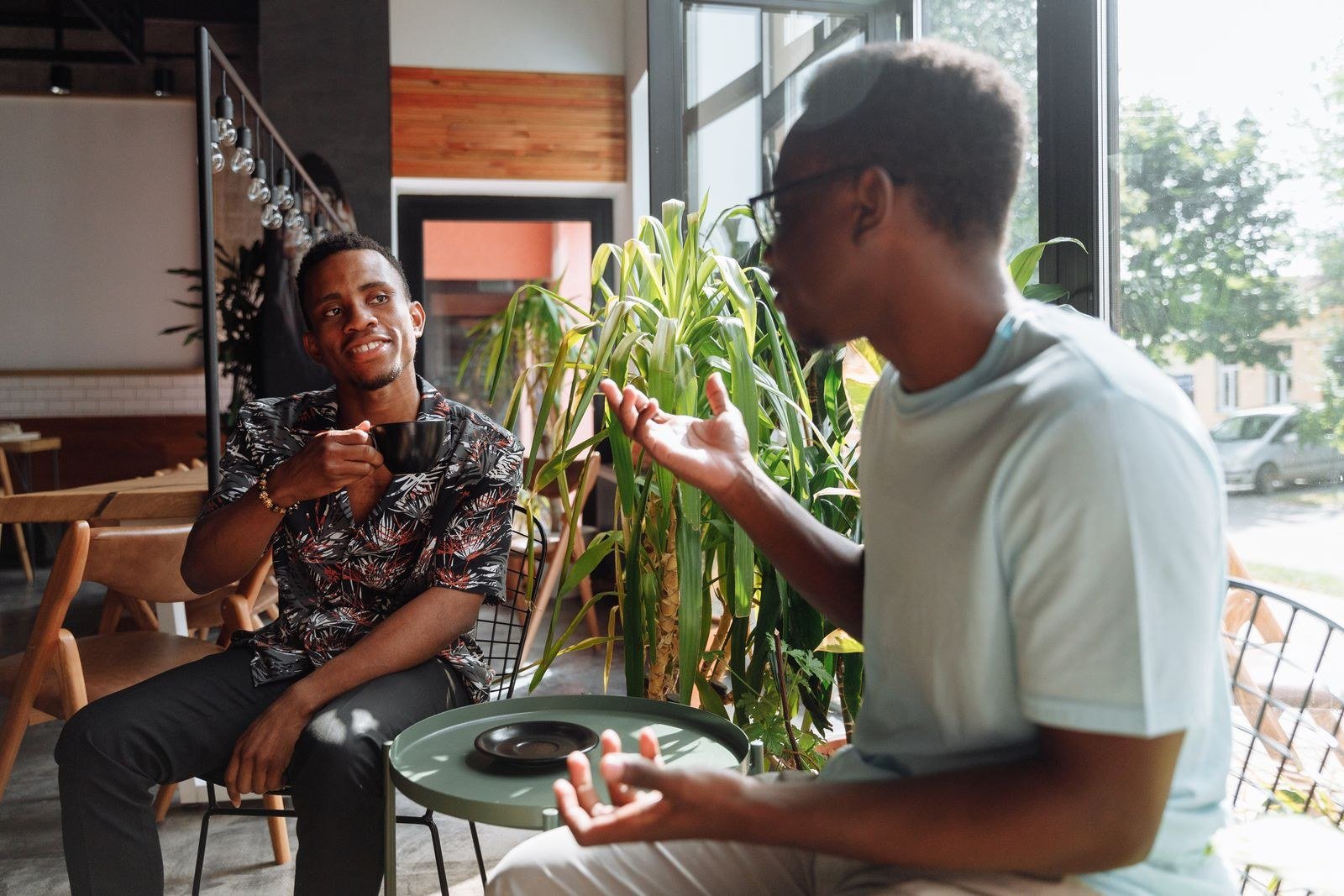
Photo: thirdman / Pexels
- Unlucky people missed a message printed in giant letters
- In a 1,000-person simulation, the richest was never the most talented
- Your next job probably comes from someone you barely know
A psychologist handed a group of people a newspaper and asked them to count the photographs inside. Some of them called themselves lucky. Others swore they were unlucky.
The unlucky group took about two minutes to finish. The lucky group took seconds.
The reason was printed on page two. Half the page was a message in huge letters. It said "Stop counting. There are 43 photographs in this newspaper." The unlucky people were so busy counting that they never saw it.
Can you really make your own luck?
The experiment came from Richard Wiseman, a psychologist at the University of Hertfordshire in England. In 1993 he placed a newspaper ad asking for people who felt very lucky or very unlucky, and he studied the volunteers for about ten years.
His conclusion was blunt. Lucky people aren't blessed. They behave in ways that put more chances in front of them, and they stay loose enough to notice those chances when they turn up.
A one-page "luck manual" about systematically increasing your exposure to opportunity has been doing the rounds online this week. Its author first posted it in January, as six images, calling it a short version of a longer guide to manufacturing luck. Scientists have been testing the same idea for decades, and the evidence is on its side.
What do lucky people do differently?
Wiseman kept seeing the same four habits.
- They create and notice chance opportunities. They talk to new people, try new things and stay relaxed enough to spot what others miss.
- They listen to their hunches instead of overthinking.
- They expect things to go well, which keeps them going after others quit.
- They turn bad luck into good by asking what a setback could lead to.
Then he tried to teach it. He ran what he called a "luck school" for people who felt unlucky. After one month, 80% said they felt luckier. That's people rating themselves, not a controlled trial, but it's a big shift for four weeks of new habits.
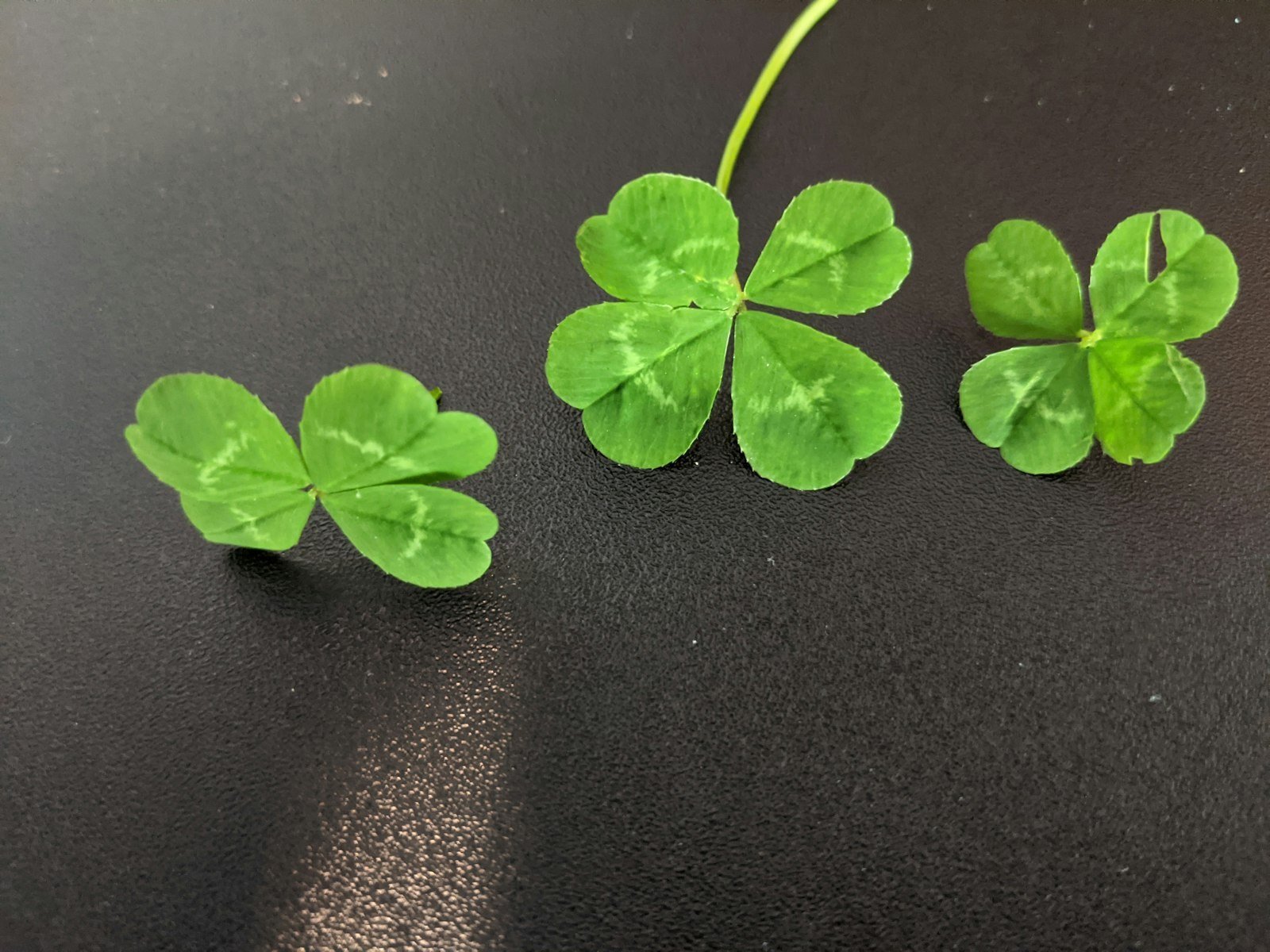
Photo: Alex Bransky / Unsplash
Is luck a skill you can train?
Christian Busch thinks so. He's a management researcher at the University of Southern California's Marshall School, and in his 2020 book The Serendipity Mindset he calls serendipity active luck.
Active luck has three parts. You do something (agency). Something unexpected happens (surprise). You turn it into something worth having (value).
Blind luck just lands on you. Active luck needs you to show up and then act on what you find. Busch argues the skills behind it can be trained, like any other skill.
What is luck surface area?
In 2010 Jason Roberts, of the TechZing podcast, squeezed the whole idea into a formula that still gets shared today. He called it luck surface area.
Luck = Doing × Telling.
Doing means working on something you actually care about. Telling means letting people know about it. Multiply the two and you get the size of the target you give chance to hit.
If either side is zero, the whole thing collapses. Someone who builds brilliant things in secret has almost no surface. So does someone who talks a lot and makes nothing. The longer guide behind this week's manual reportedly rests on the same formula.
Who gives you your big break?
Probably not your best friend.
In his 1973 paper "The Strength of Weak Ties", sociologist Mark Granovetter looked at how 282 men in the Boston area had found their jobs. Among those who got work through a personal contact, only 16.7% saw that person often. 55.6% saw them only occasionally, and 27.8% saw them rarely, about once a year or less.
Your close friends move in the same circles you do. They know the same people and hear the same news. Acquaintances live in other worlds, so they bring you things you'd never stumble on alone.
The paper went on to collect more than 78,000 citations, which makes it one of the most quoted ideas in sociology.
Does it still work on LinkedIn?
In 2022 researchers tested Granovetter's idea at enormous scale. A team including Erik Brynjolfsson and Sinan Aral published a study in Science that followed 20 million LinkedIn users over five years, a period that produced 600,000 new jobs.
The best leads came from moderately weak ties, people you know a little. Very close contacts helped less. So did near strangers. The effect was strongest in industries that run heavily on digital work.
In your 20s, those moderately weak ties are the old classmate you haven't messaged since school, the person from your last internship, the friend of a friend you got on with at a party.
Does where you sit change your luck?
In the 1970s, MIT professor Thomas Allen measured how often engineers talked about work depending on how far apart their desks were. The chance of weekly technical conversation fell steeply with distance, with a critical point at about 50 metres. It became known as the Allen curve.
No study shows a cafe will land you a job, but the pattern behind it is simple. You end up talking to the people near you. Working alone in your bedroom keeps that number at zero.

Photo: silverkblack / Pexels
Is success more luck than talent?
In 2018 Italian researchers Alessandro Pluchino, Alessio Biondo and Andrea Rapisarda built a computer model of 1,000 people over a 40-year working life. Each had a level of talent. Then random lucky and unlucky events hit them, year after year.
By the end, the richest 20% held 80% of the wealth, close to the real world. The top earner was never the most talented person. It was the one who caught the most lucky breaks.
The team also tested ways to hand out research funding. Giving everyone an equal share beat rewarding past merit, and it beat picking at random.
You can't control which breaks come your way. You can control how many chances they get to find you.
How do you get luckier in your 20s?
The research turns into a short list you can start this week.
- Make one thing a month and show it. A short video, a playlist, a side project, a write-up of something you learned. That's the doing and the telling in one move.
- Say what you want out loud. Tell five people what job, city or project you're after. The right acquaintance can't help if they don't know.
- Message one weak tie a week. An old classmate, an ex-colleague, the friend of a friend you liked. Two lines saying you saw something and thought of them is enough.
- Work near other people. Pick the library, the cafe or the shared office over your bedroom, and sit within talking distance.
- Say yes to the slightly awkward invite. The talk, the meetup, the birthday where you know one person. That's where Busch's surprise comes from.
- When something goes wrong, ask what it could lead to. Wiseman's lucky people did this by habit.
And every so often, look up from the counting. The message you need might already be printed on page two.
Source: Post on X
Keep reading
 ViralThe wildest parts of John McAfee's life were real
 PoliticsThe farmer the world won't believe
 FoodYour coffee may be slowing down how fast you age