The man who saw 2008 coming says the stock market is in denial, and he gave it 9 months
He bet against the housing market before 2008 and made his investors $700 million. He has also called crashes that never came. Now he has put a timer on this one.
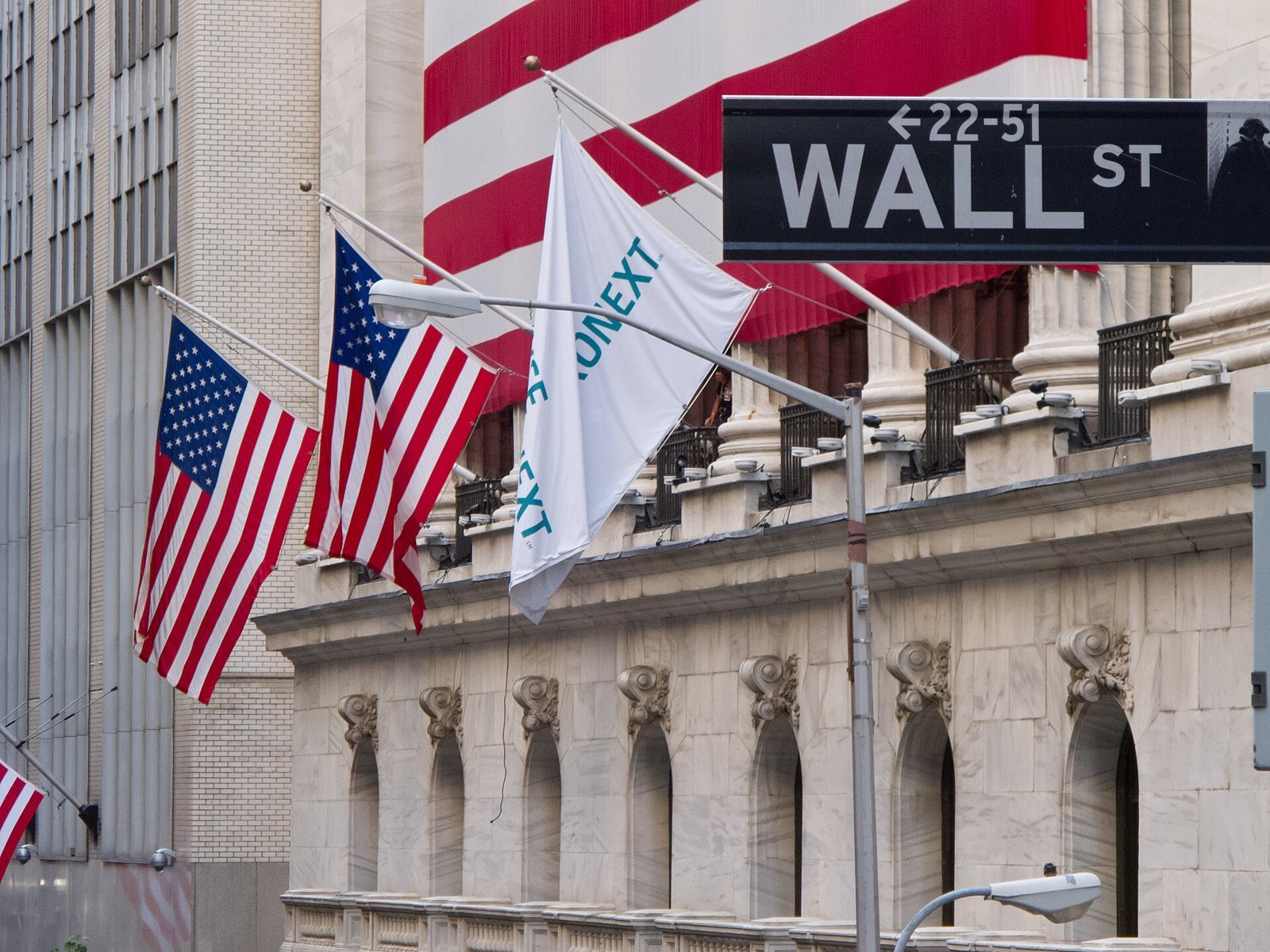
Photo: Carlos Delgado / Wikimedia Commons, CC BY-SA 3.0
- Burry compares today's market to the months before 2000 and 2008
- He says the calm stage lasts six to nine months
- His biggest bets against AI stocks run out in 2027
The S&P 500 just closed at 7,773.95, near the highest level in its history. The Nasdaq hit a record of its own. Traders were celebrating.
Then Michael Burry spoke up.
"The stock market is quite obviously in its first stage of grief, denial," he wrote late on Monday night, 5 October. "Per 2000 and 2008, this stage lasts 6-9 months."
That is two sentences. It still landed like a fire alarm. A news account's repost of his warning passed 2.8 million views in a day, as people asked the same thing. Is the man from The Big Short right again?
What did Michael Burry say about a stock market crash?
Burry shared the line on his own social account, which carries the name of his paid newsletter, Cassandra Unchained. He did not give a crash date. He gave a window.
His point is simple. Before the crashes of 2000 and 2008, prices kept climbing while the problems underneath grew. He believes we are in that phase now, and he says it usually lasts six to nine months.
He also pointed at what he thinks could break first. For months he has warned about private credit, which is lending done outside normal banks. A lot of that money now pays for AI data centres.
Back in July he wrote that this is "where the possible contagion takes down the economy". He meant that if lenders pull their money from the data centre buildout, the damage could spread, Tekedia reported.
What does "first stage of grief" mean for the market?
The five stages of grief come from psychology. They are denial, anger, bargaining, depression and acceptance. People use them to describe how we react to a loss we do not want to face.
Burry is borrowing that idea for money. In his view, denial is the stage where prices keep rising even though the story behind them is cracking. Nobody wants to believe the party is ending, so they keep dancing.
The next stages are the painful ones. Anger is the first big drop. Bargaining is the hopeful bounce. Acceptance is the bottom.
Photo: Carlos Delgado / Wikimedia Commons, CC BY-SA 3.0
Who is Michael Burry and why do people listen to him?
Burry is a former doctor who taught himself investing. In the mid-2000s he dug through the fine print of mortgage bonds and saw that many of the loans inside would never be paid back.
So he bet against the US housing market. His firm bought contracts that would pay out if mortgage bonds failed. For two years his own investors were furious with him.
Then 2008 hit. Investors who stayed with him made $700 million, and Burry made about $100 million for himself, according to MoneyWeek.
Writer Michael Lewis told the story in his book The Big Short. In the 2015 film, Christian Bale played Burry and earned an Oscar nomination for it.
Has Michael Burry been wrong before?
Yes, and his critics never let him forget it. Critics like to joke that he has predicted ten of the last two crashes.
The most famous miss came in January 2023. Burry posted a single word, "Sell". Two months later he took it back. "I was wrong to say sell," he wrote.
After that one-word warning, the S&P 500 went on to climb 57% and set 71 new records, by ETF.com's count.
He also warned about a crash in May this year, calling the rise in tech stocks "parabolic", Bloomberg reported. The market kept going up after that too.
His fans have an answer for all of this. In 2006 and 2007 he looked wrong as well. Being early and being wrong can look the same, right up until the day they don't.
What is Michael Burry betting on right now?
In November 2025 he closed his fund, Scion Asset Management, to outside money. "Sometimes, the only winning move is to not play," he wrote.
Just before that, filings showed huge bets against two AI giants. He held put options on Nvidia and Palantir. A put is a contract that makes money if a stock falls. His Palantir bet alone covered about 5 million shares, Investing.com reported.
He then launched Cassandra Unchained on Substack for $39 a month. In Greek myth, Cassandra could see the future, but nobody believed her. The name was not an accident.
In late September he told subscribers he had swapped his short bets for puts on Micron, Palantir and a chip stock fund, 24/7 Wall St. reported. Puts give more punch for less money, but they expire. He says he moved his timeline forward because he thinks the AI bubble could burst sooner.
If you have followed the race to build AI, from data centres to the coastlines that could become the most valuable land on Earth, you know how much money is riding on it.
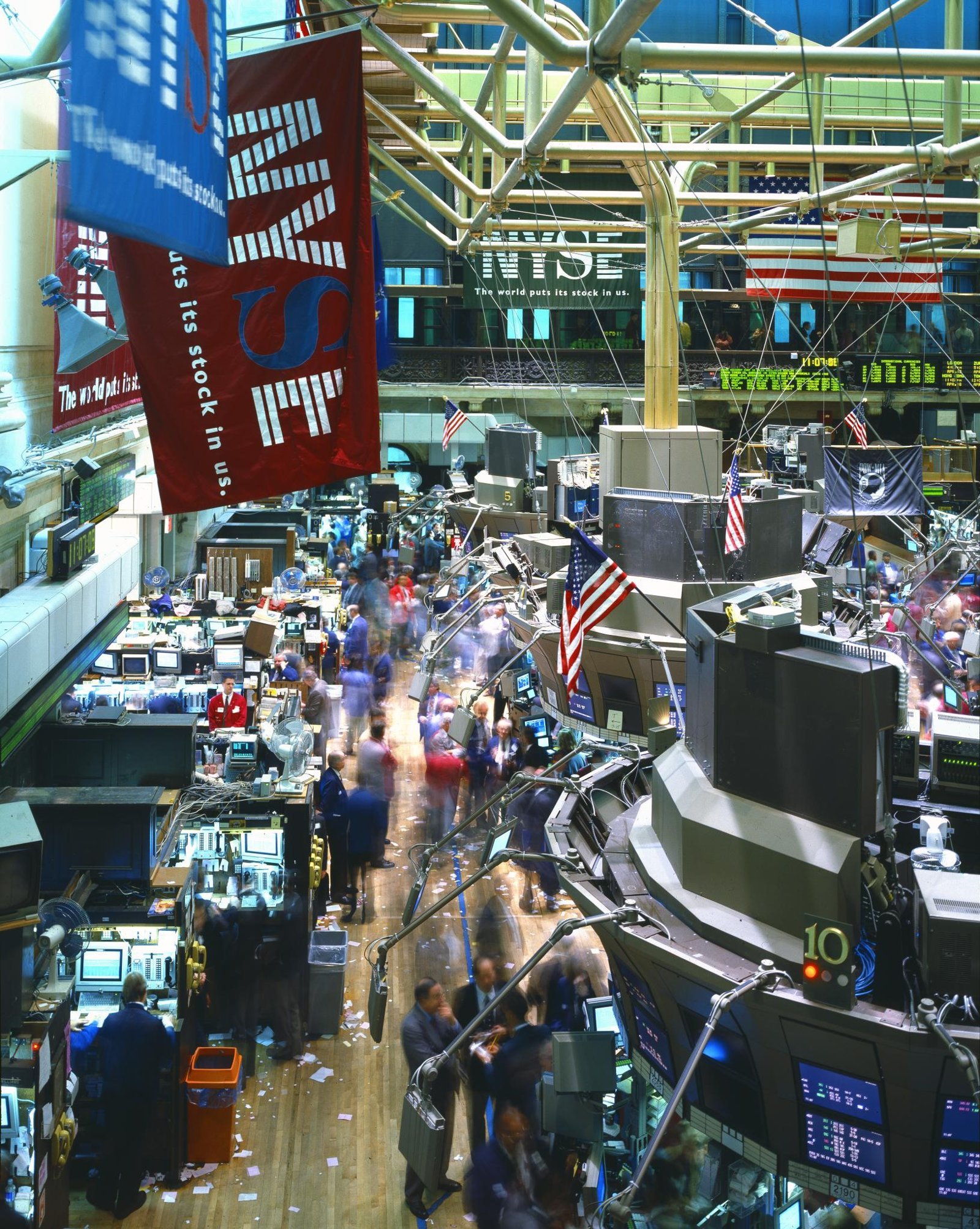
Photo: Carol M. Highsmith / Wikimedia Commons, Public domain
Is the stock market really at an all-time high?
It is. On Monday the S&P 500 rose 0.7% and the Nasdaq Composite closed at a record 27,477.31, Yahoo Finance reported. The S&P 500 hit a fresh all-time high the next day too.
The S&P 500 is up about 14% this year. The market's fear gauge, the VIX, sat at 15.52, which is inside its normal range. In other words, most investors do not look scared at all.
One number does stand out. The 10-year US Treasury yield closed at 5.31%, its highest close since April 2002. That is the interest rate the US government pays to borrow for ten years, and it pushes up the cost of almost every loan. In July Burry wrote that "higher rates for longer could prove a catalyst".
What are other big investors saying?
Burry is not alone in the gloomy corner. Ray Dalio, the founder of Bridgewater, the world's biggest hedge fund, said in August that the AI boom shows "classic signs" of a bubble, Fortune reported. He compared it to 1929 and 2000.
Dalio also warns the US could face a debt crisis within three years. The government spends about $7 trillion a year and takes in about $5 trillion.
Treasury Secretary Scott Bessent sees it differently. He says growth and spending cuts will improve the picture "very quickly".
The question all over finance forums is the same one. Is this 1999, with a year of gains still left, or is it the top? People love a contrarian, from Burry to wild figures like John McAfee, because they say out loud what everyone else is afraid to.
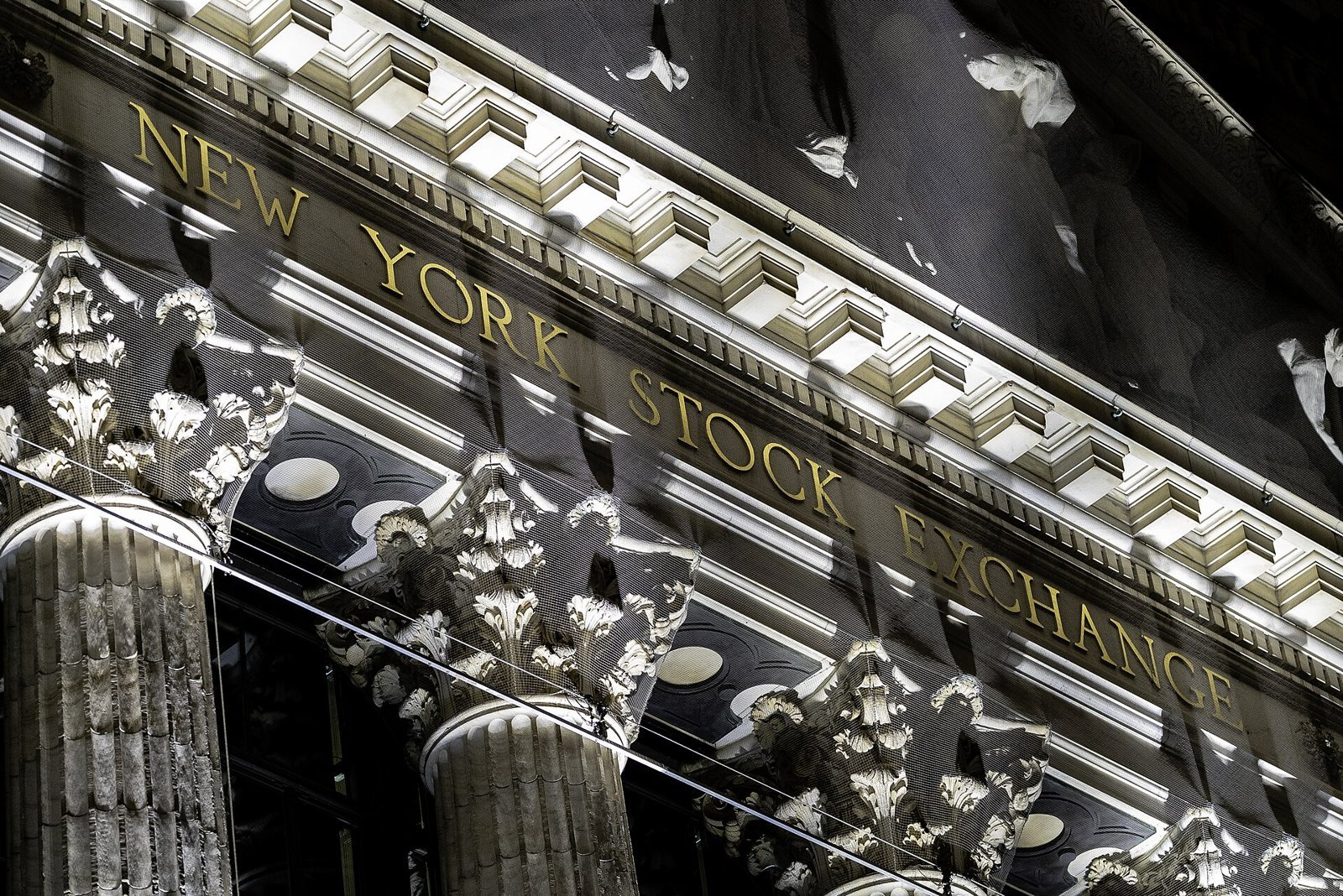
Photo: Billie Grace Ward / Wikimedia Commons, CC0
What happened after the denial stage in 2000 and 2008?
History is why this warning stings. The S&P 500 peaked on 24 March 2000. It then fell 49% over 31 months.
In October 2007 it peaked again. By March 2009 it had fallen 57%.
In both cases the top felt like a party, not a warning. Prices looked strong, experts were confident, and the people calling a crash were laughed at.
When does Burry's clock run out?
Count forward from this week. Six months lands in early April 2027. Nine months lands in early July 2027.
Burry's own money points at the same window. His Palantir puts run out in early 2027. His Micron puts, according to 24/7 Wall St., expire in June.
So the man who saw 2008 coming has done something he rarely does. He has put a deadline on his own prophecy, and he has bet real money that it arrives on time.
If stocks are still climbing next summer, the joke about ten crashes gets a new chapter. If they are not, Cassandra will have been right again, and this time everybody heard her.
The clock started on 5 October. It is already ticking.
Sources: Watcher.Guru, 6 October 2026 · Michael Burry (Cassandra Unchained) · Yahoo Finance / Benzinga · 24/7 Wall St., denial stage · 24/7 Wall St., Micron puts · Bloomberg, May 2026 warning · Tekedia, private credit warning · Investing.com, Scion deregistered · MoneyWeek · Fast Company, Cassandra Unchained · ETF.com · Fortune, Ray Dalio · Benzinga, 2000 peak
The week's biggest stories, every Monday
One email. The stories everyone will be talking about, before they do.
Free. One email a week. Unsubscribe anytime.Keep reading
 WorldThe US tells Americans in Russia to leave, in a plague alert
 WorldTrump wants answers from Putin on a plague scare Russia denies
 WorldAn MIT scientist says Irkutsk may not be plague at all