America just told its citizens in Russia to get out, and this time the warning names the plague
Behind closed doors in Washington, officials are racing to work out what killed a Siberian plague lab worker. Russia is not saying much. The embassy's message to Americans is short and blunt.
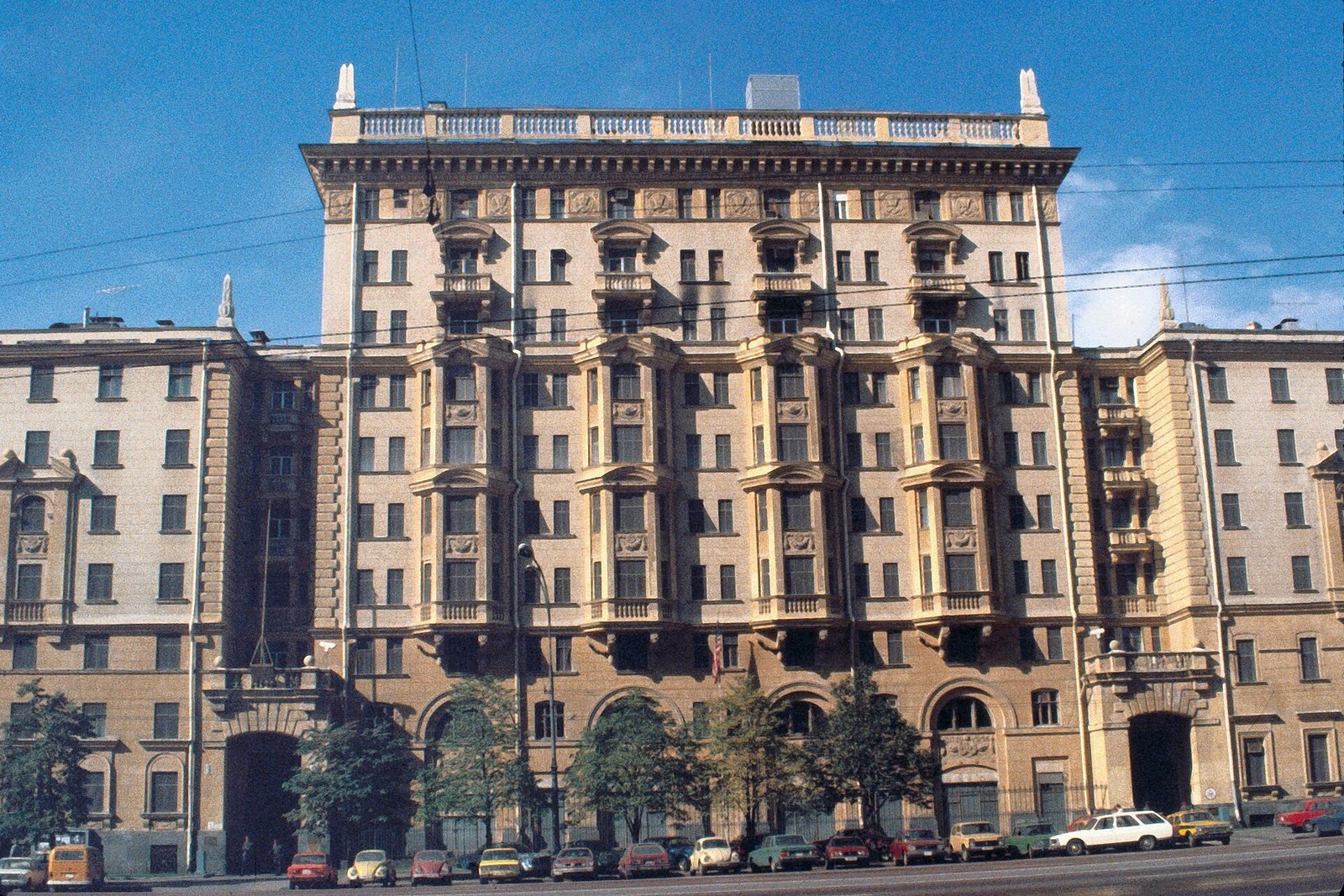
Photo: Department of State. Office of the Undersecretary for Management. Bureau of Overseas Buildings Operations. (2001 - ) (Most Recent) / Wikimedia Commons, Public domain
- The embassy says it has limited ability to help Americans outside Moscow
- Officials want to know if the germ was changed in a lab
- One US official compares Moscow's silence to China and Covid
The alert landed on 6 October. At the top it said "Health Alert". Under "Location", one word: Irkutsk.
The US Embassy in Moscow said it was aware of reports of "suspected pneumonic plague resulting in the death of an individual" in the Irkutsk region. It mentioned hospitals under quarantine. Hospitals closed.
Two lines later came the sentence that has spread around the world since. Americans currently in Russia "should depart immediately."
By Wednesday the claim that the embassy wanted every American out "immediately" because of the plague had passed 1.1 million views. People were asking the same thing everywhere. Is the US pulling its people out of Russia over a plague?
What did the US Embassy actually say?
The alert is short. It says the embassy is tracking the situation "closely". It warns that the US government has limited ability to help US citizens in Russia, especially outside of Moscow.
It also says US government staff "may face additional restrictions" on travel to some regions, "due to health and security concerns."
Then it gives Americans a to-do list. Follow local health officials. Stay away from affected hospitals. See a doctor fast if you get a fever or trouble breathing. Watch your health for 14 days if you have been near the outbreak.
And one more line that sounds like a film script. Have a plan to leave in an emergency "that does not depend on U.S. Government help."
Photo: Department of State. Office of the Undersecretary for Management. Bureau of Overseas Buildings Operations. (2001 - ) (Most Recent) / Wikimedia Commons, Public domain
Did the US tell Americans to leave Russia because of the plague?
The answer is murky. The "depart immediately" line is not brand new.
The State Department has had Russia on Level 4, "Do Not Travel", the highest warning it has, since early 2022. That advisory already tells Americans in Russia to leave. The US said the same thing in September 2022, and again in February 2023, NPR reported at the time. The reasons back then were the war in Ukraine and the risk of being wrongly detained.
The new alert repeats that the Level 4 warning "remains in place". It even names the old reasons, wrongful detention and security concerns.
But the old order now sits inside a health alert about plague. The words "pneumonic plague" are the first thing it reports. So the same three words read very differently this week. Was it a routine reminder, or a nudge?
Washington has not said. Many readers have already made up their minds.
Why is Washington so worried?
Behind the calm public words, the Trump administration is scrambling.
The death of the lab worker set off alarms throughout the administration, CNN reported on 6 October, citing several people familiar with the matter. It started a race to gather intelligence and plan a possible public health response.
The worker was a 28-year-old technician at the Irkutsk Anti-Plague Institute. She died after being diagnosed with pneumonia of "unknown" origin. We covered how the young technician died and what Russia first said in our first report.
The National Security Council and the State Department are leading the push for answers. The CDC and the government's emergency preparedness office are also involved. Officials have even reached out to the World Health Organization, the body Trump pulled US funding from.
What does the US want Russia to explain?
Two questions sit at the top of the list.
First, was it really pneumonic plague, or something else? The Irkutsk institute also studies cholera, anthrax and brucellosis, CNN reported.
Second, and more chilling, was the germ changed in any way? US officials have asked whether it went through "gain of function", lab work that can make a germ spread more easily or cause worse illness. A yes would change how the US and other countries respond, according to CNN.
On Tuesday the US sent Russia a formal diplomatic demand for information, known as a démarche. "We have officially requested additional information from the Russian government," a State Department spokesperson said.
Secretary of State Marco Rubio put it plainly. "It's incumbent upon Russia to obviously share more information with the world," he said. "Maybe it's bigger than we thought. We don't know."
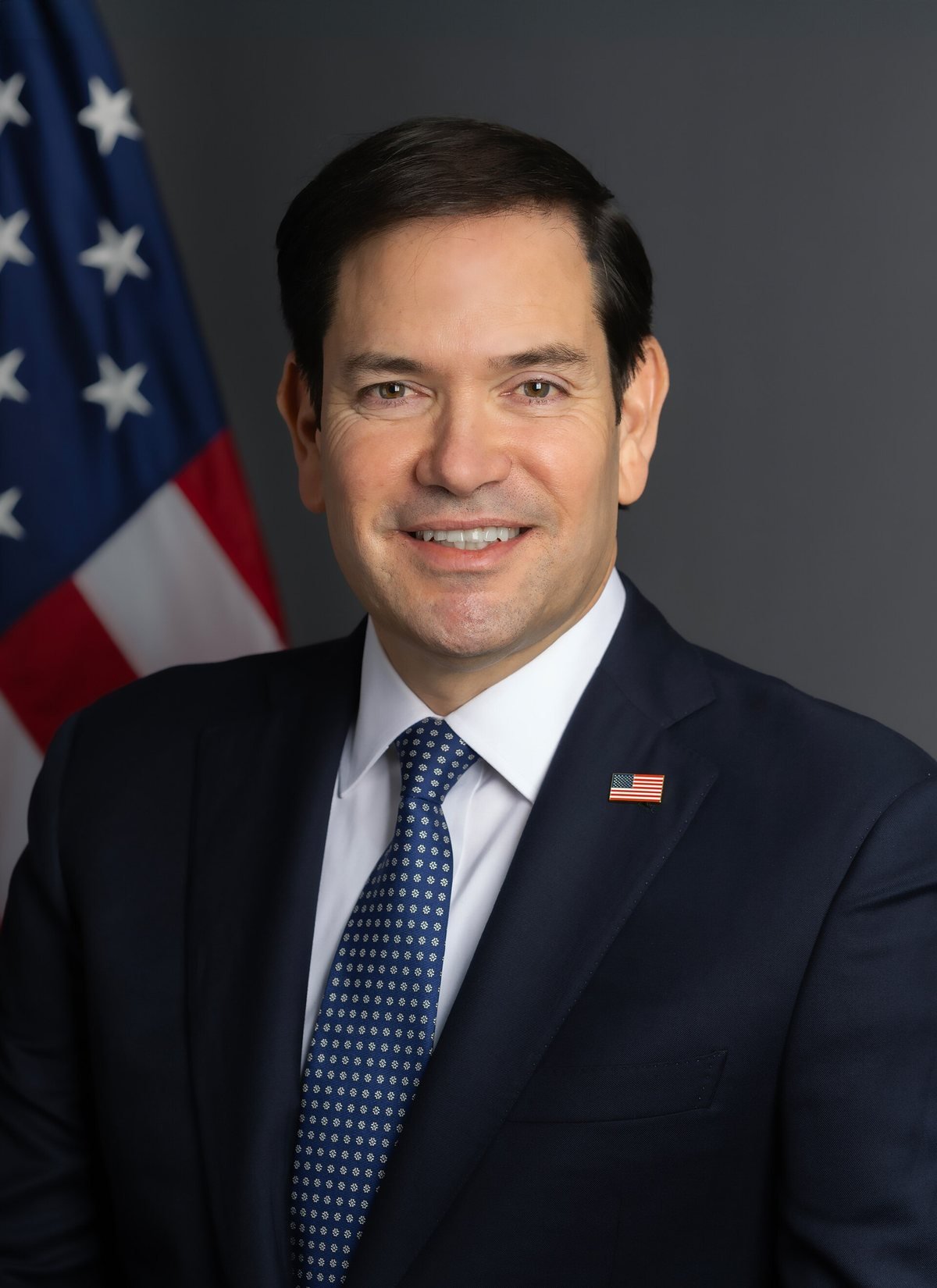
Photo: U.S. Department of State / Wikimedia Commons, Public domain
Is Russia hiding something?
Russia says there is nothing to hide. It told the WHO that no plague case had been recorded in the Irkutsk region and that tests on contacts found no high-threat germs. The Kremlin says the situation is "under control".
Russia's health watchdog even fired back at Trump's offer of help. It pointed to a fatal plague case in New Mexico in June, the Moscow Times reported.
Inside Washington, few are convinced. "We don't know a lot right now about what actually happened," one US official told CNN. "The Russians are going to act like the Chinese did with Covid. They won't be forthcoming."
Some experts say the clues do not add up. Russia quarantined a hospital and put nearly 200 people under watch. Dr. Amesh Adalja of Johns Hopkins pointed to the contacts, the hospital, the hazmat suits and the head of Russia's version of the CDC flying in. He told Newsweek all of that "was incongruent with the plague response."
In other words, it looked bigger than plague. Or different. Russia's long record of hiding lab accidents is one reason nobody takes "pneumonia" at face value.
Is the US ready if this spreads?
For normal pneumonic plague, probably yes. The Health and Human Services Department may have enough medicine stockpiled, officials and experts told CNN. Ordinary antibiotics cure it if given early.
A changed version is another story. There is little certainty the stockpile would work against it, or how long a new treatment would take, according to CNN.
Jennifer Nuzzo, who runs the Pandemic Center at Brown University, warned that US health systems are already stretched by measles outbreaks and budget cuts. "God forbid you layer another pathogen onto the already laborious and difficult work of going after measles," she told CNN. "That would be a nightmare."
What does "leave now" mean if you are an American in Russia?
It means you are mostly on your own.
There are no direct flights between the US and Russia. Most routes out go through cities like Istanbul or Dubai. The US consulates in Vladivostok and Yekaterinburg are suspended because of what the embassy calls "critically low staffing". Irkutsk is about 4,200 kilometres from Moscow, deep in Siberia.
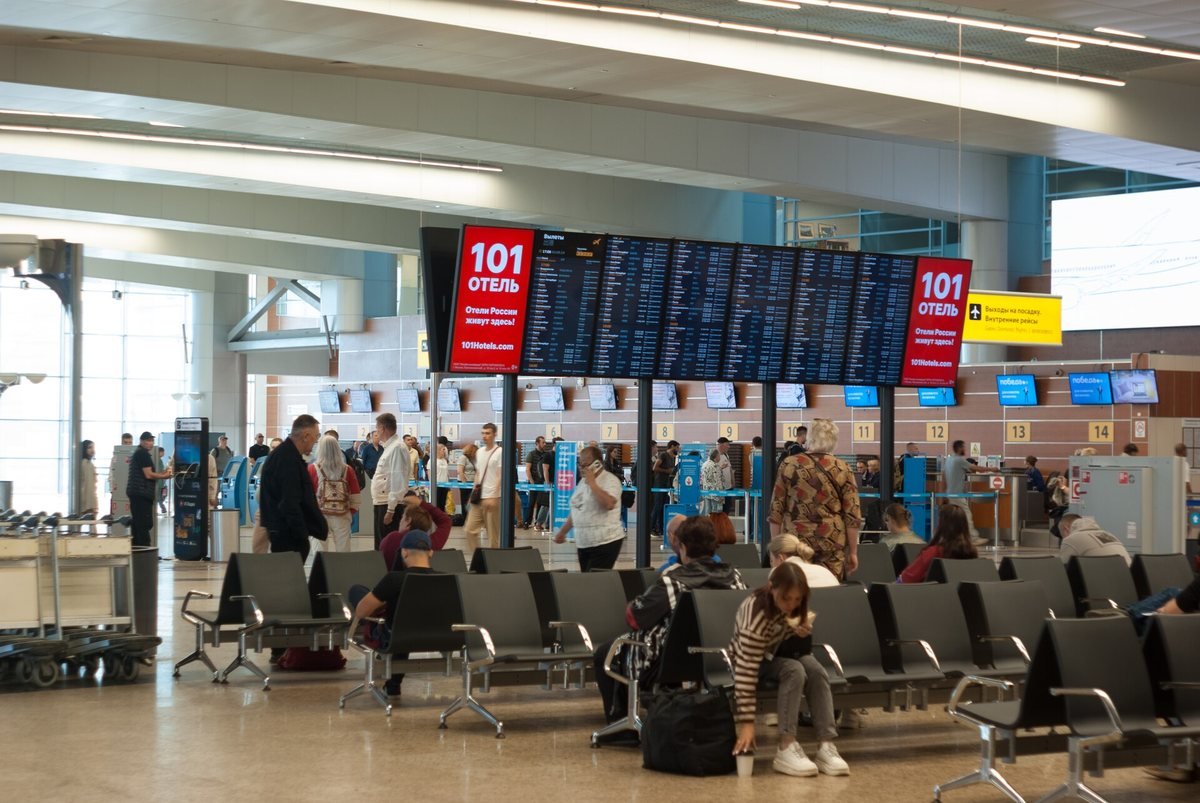
Photo: Artyom Svetlov / Wikimedia Commons, CC BY 4.0
The WHO rates the public health risk as low for Russia overall and very low for Europe, Newsweek reported. No US travel ban is in place. A US official told CNN no new travel restrictions are being added until Washington knows more.
If you are wondering how worried to be at home, we put straight answers about plague risk together for you.
What happens next?
Trump says his call with Vladimir Putin is coming "very soon". On Tuesday he told reporters US agencies would have more information "probably tomorrow". That tomorrow is today. The WHO is still asking Russia about reports of a second sick worker. That case has not been confirmed.
So Americans in Russia have an alert with plague at the top and "depart immediately" in the middle. Washington has a démarche on the table and a question it cannot answer yet. Was a germ in a Siberian lab changed?
The embassy's last words on the situation are simple. "We continue to track the situation closely."
So is everyone else. The answer could arrive with a single phone call between two presidents.
Sources: Original post, 7 October 2026 · US Embassy Moscow, Health Alert, 6 October 2026 · CNN, Trump admin ramps up pressure for info · CNN post, 7 October 2026 · The Moscow Times · Newsweek · NPR, February 2023 leave-Russia warning
The week's biggest stories, every Monday
One email. The stories everyone will be talking about, before they do.
Free. One email a week. Unsubscribe anytime.Keep reading
 WorldTrump wants answers from Putin on a plague scare Russia denies
 WorldAn MIT scientist says Irkutsk may not be plague at all
 WorldInside the Siberian plague lab at the centre of Russia's scare