In 1979 Moscow blamed bad meat for a deadly anthrax leak. That is why nobody believes "pneumonia" now
From an anthrax cloud over Sverdlovsk to smallpox on the Aral Sea, the Soviet Union spent decades hiding outbreaks. Here is why the Irkutsk death set off alarms, and what would actually calm them.
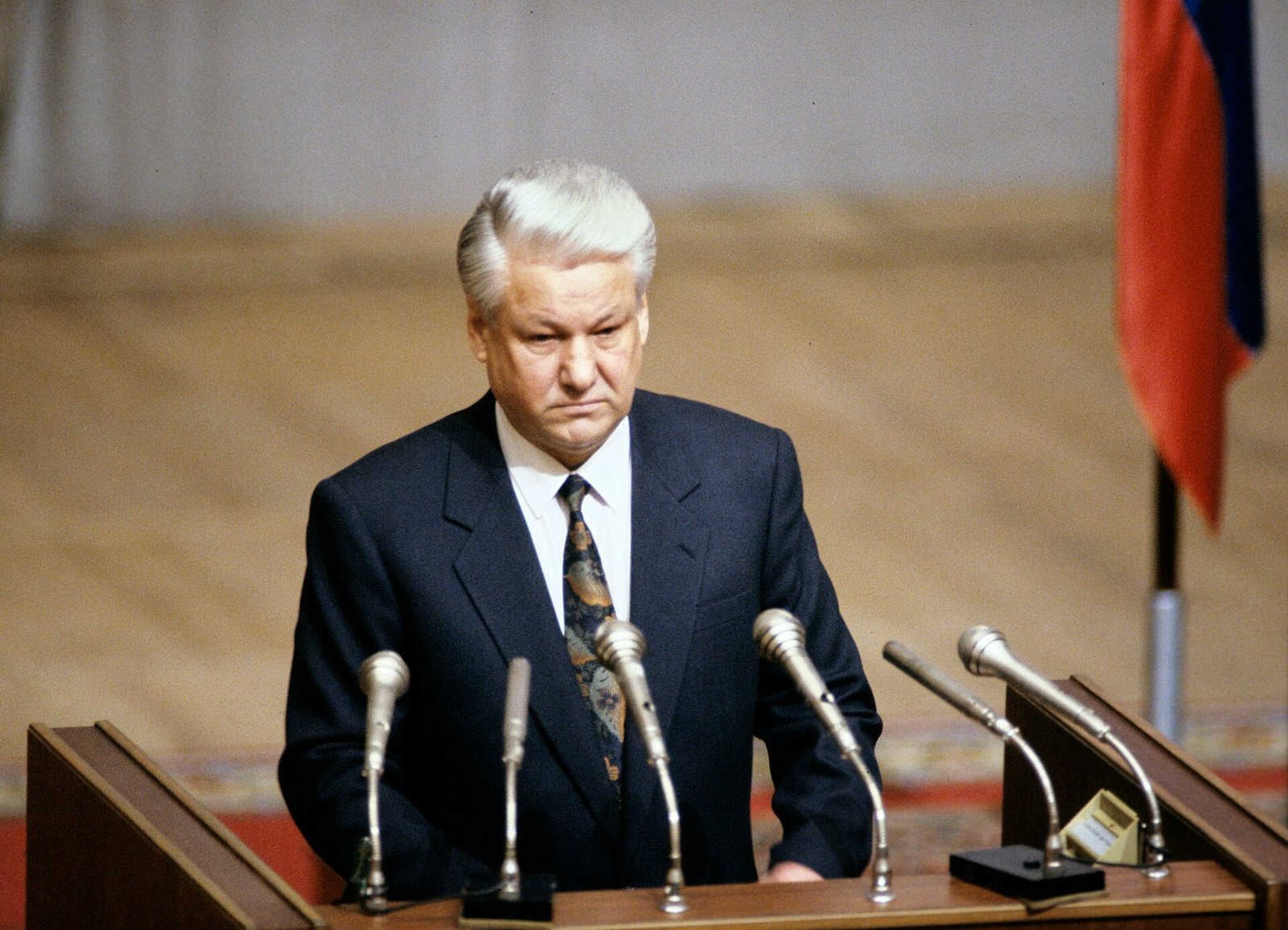
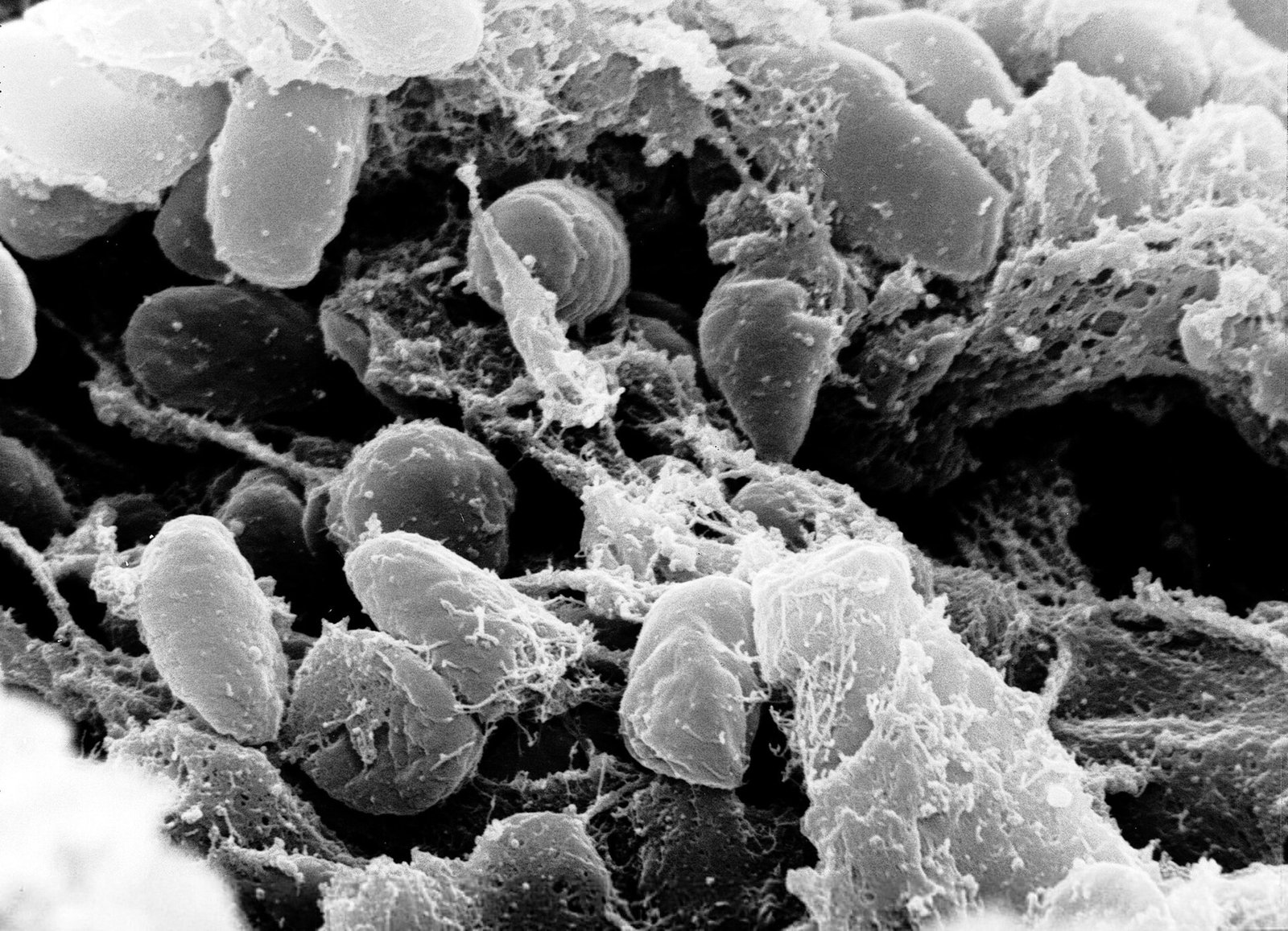
Photo: Yuri Abramochkin / RIA Novosti / Wikimedia Commons, CC BY 4.0
- Moscow blamed tainted meat for a lab leak that killed dozens
- One defector says the Soviets stockpiled plague by the ton
- Irkutsk's plague institute belonged to a once-secret Soviet network
On 2 April 1979, a cloud of anthrax spores drifted out of a military compound in the Soviet city of Sverdlovsk. Nobody in the streets below knew it was there.
Within days, people who lived and worked south of the compound began to die. Soviet officials blamed meat from infected cattle. They warned residents not to buy meat in random places, including markets.
It took 13 years for Moscow to admit the truth. That history is why, this week, so few people outside Russia accept the official word on a young lab worker who died in Siberia.
Why does no one believe Russia about Irkutsk?
Darya Shipilova was a 28-year-old technician at the Irkutsk Anti-Plague Institute. As we reported when her death in a Siberian plague lab first came to light, Russia's health watchdog says she died of "pneumonia of undetermined origin".
Russia told the World Health Organization on 6 October that no plague had been found. The WHO has asked Moscow to say which germ did make her ill. US Secretary of State Marco Rubio says it is "incumbent upon Russia to obviously share more information with the world."
Ordinary Russians seem unconvinced too. Google searches for "chuma", the Russian word for plague, rose about 2,800% between 29 September and 5 October, and antibiotics reportedly sold out across the Irkutsk region.
The rumours fill the gap. One says she broke a test tube of plague bacteria. Another says she caught something on a work trip to neighbouring Buryatia. Neither is confirmed. People reach for them because Moscow has explained away a lab disaster before.
What really happened in Sverdlovsk in 1979?
Sverdlovsk, now called Yekaterinburg, sits about 850 miles east of Moscow. In its southern Chkalovsky district stood Military Compound 19, where the army made dry anthrax spores.
The leak killed at least 64 people, the official Russian figure. Some Russian accounts put the toll closer to 100, and nobody knows the exact number. A Soviet counter-intelligence officer later described plotting the victims on a map. Their homes and workplaces formed a narrow oval about 4 kilometres long, running from the compound to the edge of the district.
The meat story held for years. Vaccinations and clean-up only began on 21 April, almost three weeks after the release.
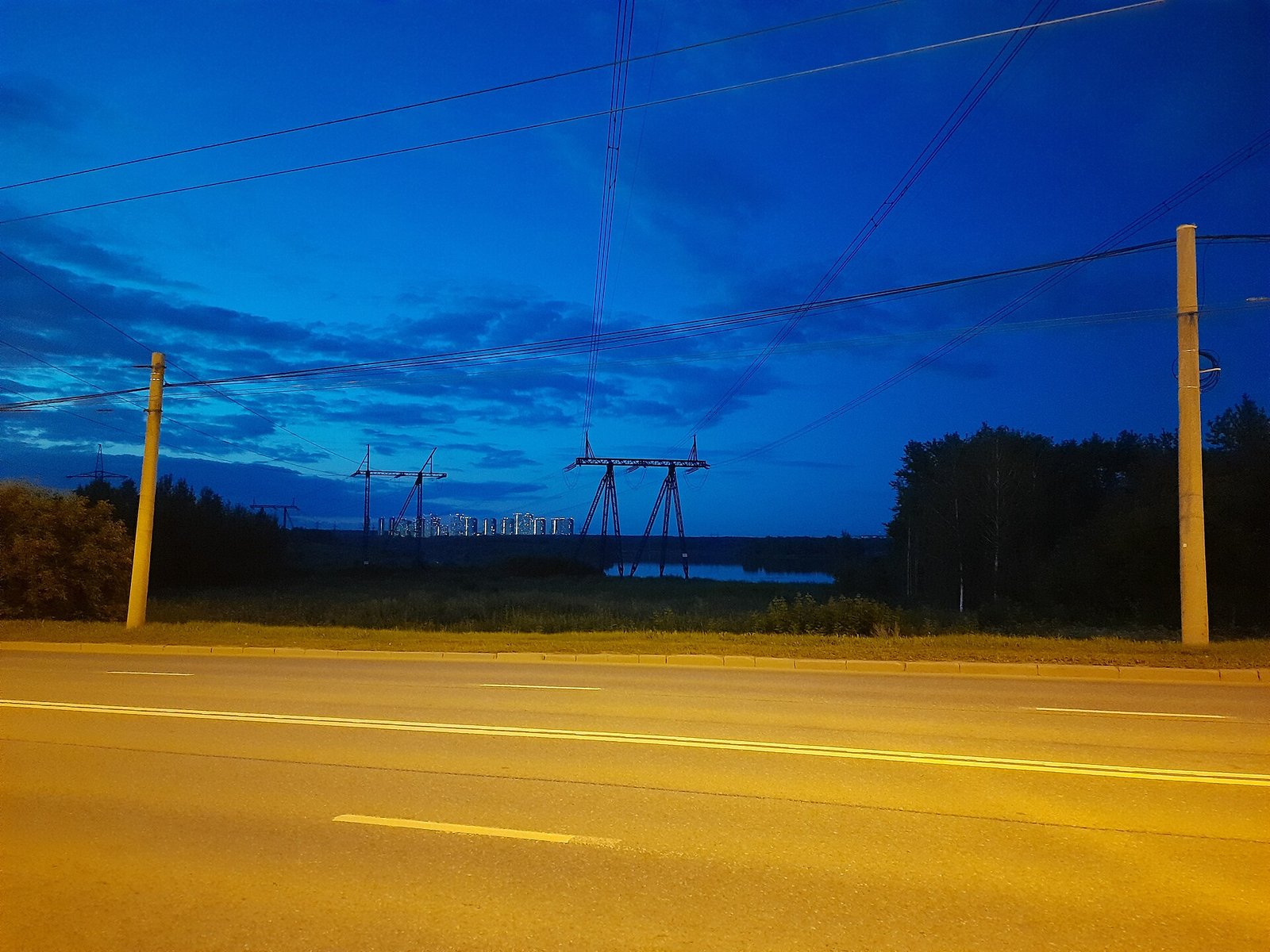
Photo: MBH / Wikimedia Commons, CC BY 4.0
When did Russia finally admit the anthrax leak?
In 1992, after the Soviet Union collapsed, President Boris Yeltsin said it plainly. "Our military development was the cause," he admitted. He had run the Sverdlovsk region's Communist Party in 1979.
Yeltsin later signed a law giving pensions to the families of the victims. Russia's own military doctors kept defending the tainted meat version even after their president had dropped it.
Then the scientists arrived. Harvard biologist Matthew Meselson led a team to the city in June 1992 and again in August 1993. They tracked down the 77 known patients and mapped where each one had been.
How did scientists prove it was a leak?
Meselson's team published their findings in the journal Science in November 1994. Most victims had been in a narrow zone running downwind from Compound 19, in line with the northerly wind that blew shortly before the outbreak.
Farther along the same line, outside the city, livestock died of anthrax too. Bad meat cannot drift on the wind. An aerosol can.
Ken Alibek, a senior Soviet bioweapons official who later moved to the United States, gave his own explanation. He says workers forgot to replace a filter in an exhaust system. He also says the death toll could have been in the hundreds of thousands if the wind had blown toward the city centre.
What was Biopreparat?
Sverdlovsk was one piece of something much bigger. In April 1974 the Soviet Union set up Biopreparat, a network that looked like a civilian drug and vaccine industry. Behind it ran the largest biological weapons programme in the world.
It employed 30,000 to 40,000 people. Its scientists worked on anthrax, smallpox, tularemia, Marburg virus and plague, all while Moscow had signed a 1972 treaty banning biological weapons.
The West learned the scale only when insiders fled. Microbiologist Vladimir Pasechnik defected to Britain in October 1989. Alibek, born Kanatzhan Alibekov, had been Biopreparat's first deputy director. He left for the US in October 1992.
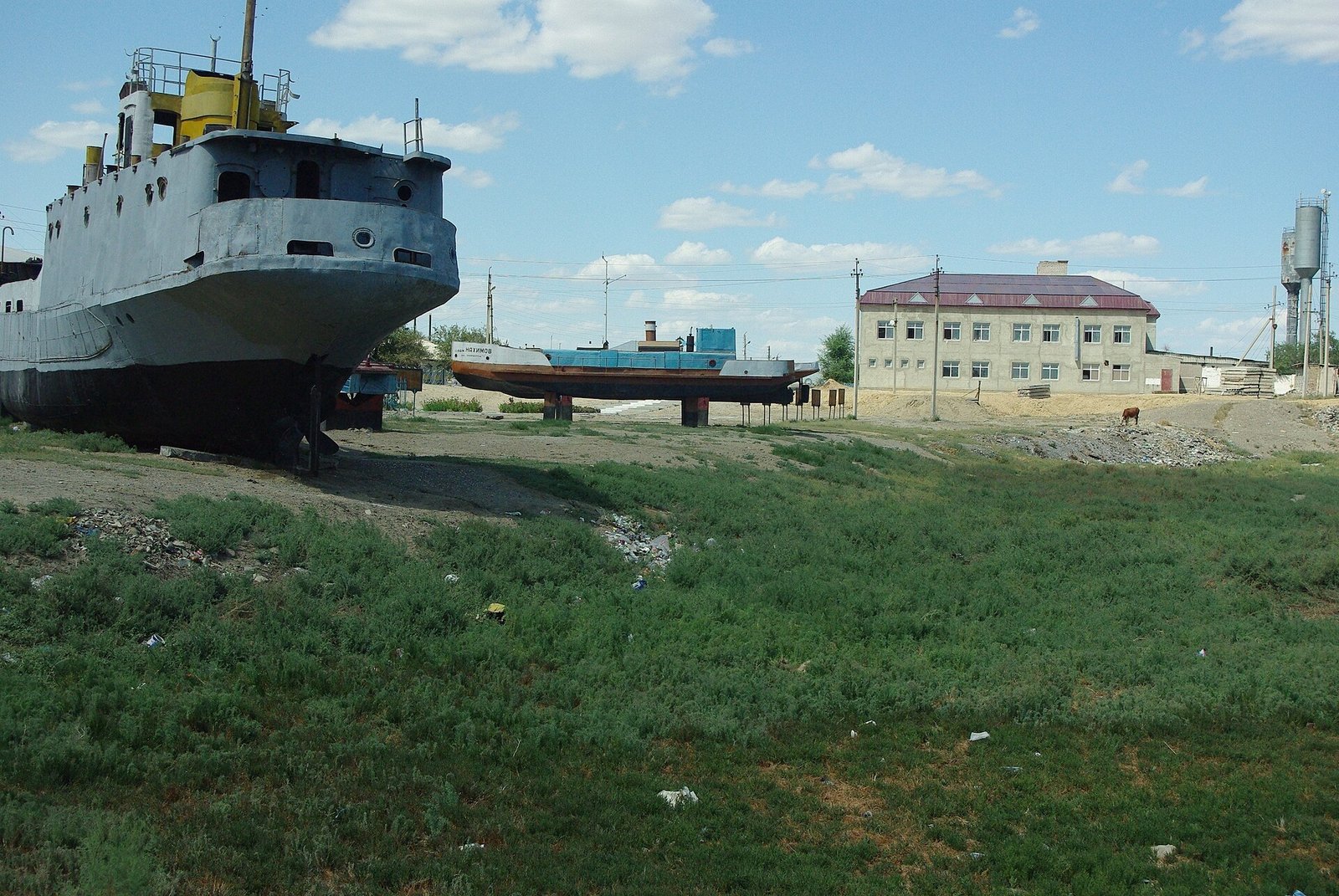
Photo: Yorian / Wikimedia Commons, CC BY-SA 3.0
What does Ken Alibek claim the Soviets built?
His 1999 book Biohazard makes the most startling claims to come out of the programme. They are his claims, and some experts have questioned parts of his later work.
He says the Soviets stockpiled hundreds of tons of anthrax and dozens of tons of plague and smallpox. He says scientists engineered plague and smallpox to resist antibiotics and vaccines. He describes attempts to splice smallpox with Ebola and with a brain-attacking virus, and weapons meant for intercontinental missiles.
Alibek later told the US Congress he was convinced Russia's biological weapons programme had never been completely dismantled. Russia says it has no offensive programme today.
What happened on the Aral Sea in 1971?
Eight years before Sverdlovsk, a smaller outbreak was buried even deeper. On 30 July 1971, the research ship Lev Berg passed within 15 kilometres of Vozrozhdeniya Island, a Soviet weapons test site in the Aral Sea.
A lab technician on board fell ill with smallpox and carried it home to the port town of Aral. Ten people caught it and three died, two children and a woman. About 50,000 residents were vaccinated in under two weeks, and around 18 tonnes of household goods were burned.
The world heard nothing until 2002. That year the former Soviet chief sanitary doctor, Pyotr Burgasov, said 400 grams of smallpox had been exploded on the island. Some researchers argue the ship picked up the virus in a port instead. Nobody outside Moscow was told for three decades.
Where does the Irkutsk institute fit in?
Irkutsk's anti-plague lab opened in 1923 and became a full institute in 1934. It has worked from the same building since 1939. Its official job was fighting plague in the wild rodents of Siberia and the Far East. It still studies plague, cholera, tularemia, brucellosis and anthrax.
It belonged to the Soviet anti-plague system, a network of institutes and stations across the USSR. Researchers from the US-based James Martin Center, who visited more than 40 of them, found the system had a second job. From the 1960s it led a secret biodefence programme. By the mid-1970s it also did tasks for the offensive weapons programme.
There is no evidence the Irkutsk institute does weapons work today. But it grew up inside that secrecy. Even its own lore, as retold in Russian records, says one earlier employee died of plague and was cremated and buried on the grounds.
This is not the only outbreak the world is watching this week. In East Africa, Kenya has confirmed its first Ebola case. The difference is that Kenya named the virus.
What would actually reassure the world?
Not a statement. Russia has given plenty of those. What the WHO and Washington want is lab evidence.
That means the full test results on Shipilova, the name of the germ that killed her, and how many of her roughly 200 contacts were tested and for what. Under the 2005 International Health Regulations, countries are expected to share exactly that.
An answer would also settle the rumours fast. If she died of plague, ordinary antibiotics can protect the people around her and the outbreak ends quickly. If it was something else, a named pathogen ends the guessing on its own.
Sverdlovsk shows the cost of waiting. It took a president's admission and two research trips to replace a meat story with the truth. This time the proof sits in a lab in Irkutsk, and Moscow could put it on the table today.
Sources: The Spectator, 6 October 2026 · Open, WHO statement on Irkutsk · Meselson et al., Science, 1994 · PBS Frontline, Sverdlovsk · Sverdlovsk anthrax leak · Biopreparat · 1971 Aral smallpox incident · NTI, the Soviet anti-plague system
The week's biggest stories, every Monday
One email. The stories everyone will be talking about, before they do.
Free. One email a week. Unsubscribe anytime.Keep reading
 WorldInside the Siberian plague lab at the centre of Russia's scare
 WorldShould you be worried about the plague in Russia?
 WorldA Siberian plague lab worker died, and Russia won't call it plague