A CIA officer invented secret missions and walked away with nearly $200 million
He made up classified programs, approved them himself and turned government money into gold bars, Rolexes and Florida mansions. On Tuesday the former CIA officer admitted it in court.
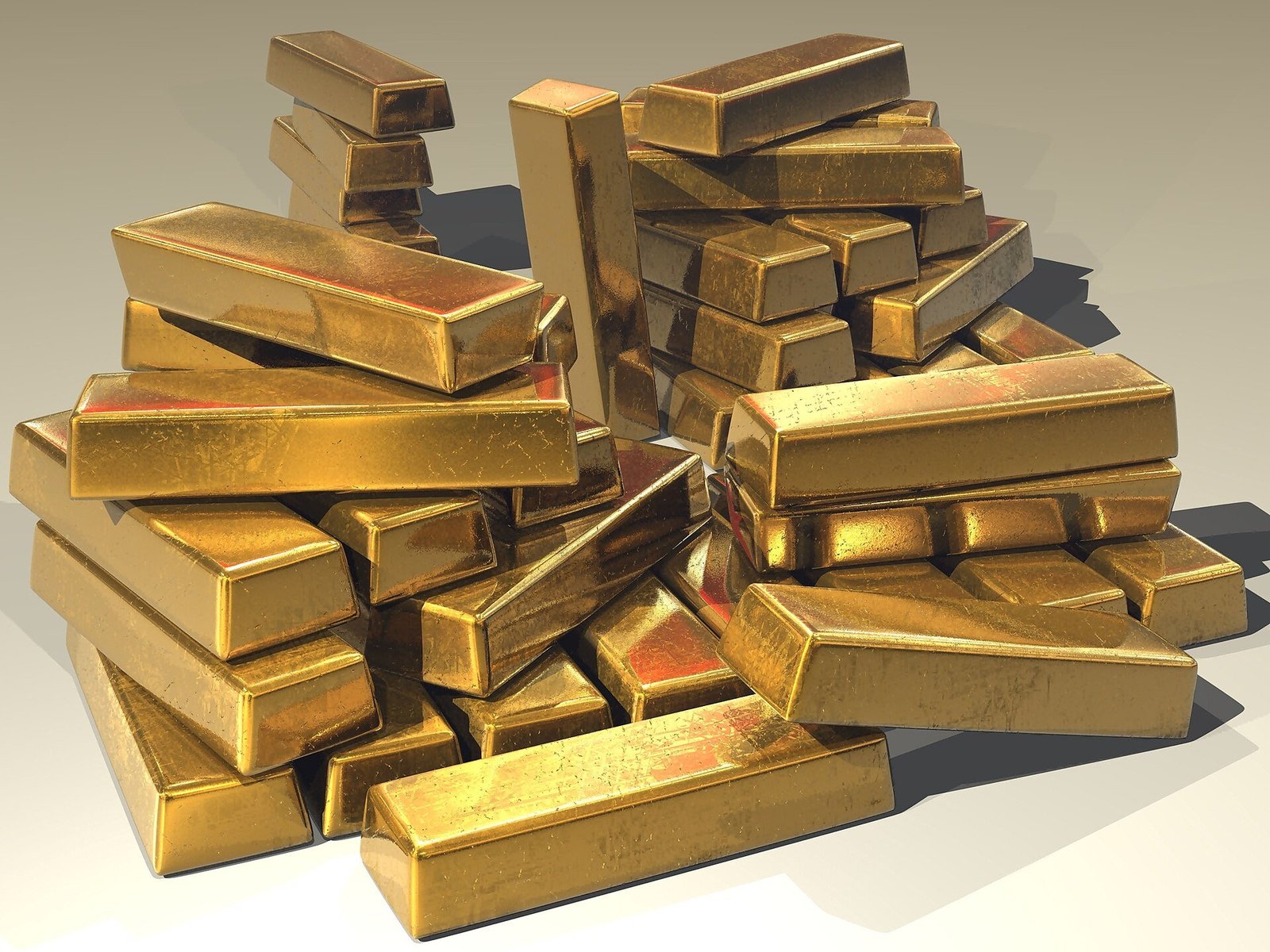
Photo: Stevebidmead / Wikimedia Commons, CC0
- About 600 pounds of gold were sitting inside a house in Virginia
- He told contractors he had to deliver gold to unnamed people on a secret mission
- He also admitted exposing a US spy's details to a foreign official
When FBI agents searched a house in Ashburn, Virginia, in May, they found gold. Not a coin collection. Bars of it, each weighing roughly a kilo.
There were 298 gold bars, worth about $46 million. Next to them sat around $2 million in US cash, more than $117,000 in euros and 35 luxury watches, many of them Rolexes.
The house belonged to David Rush, a 49-year-old officer at the Central Intelligence Agency. On Tuesday, in a federal courtroom in Virginia, he admitted how it all got there.
Who is David Rush?
On paper, Rush was a star. He spent 17 years at the CIA and rose to a senior executive post in the agency's Directorate of Science and Technology, the branch that builds spy gadgets and technical collection systems.
He held a Top Secret clearance. He worked on the Pentagon's nuclear submarine program and acted as a liaison to the Defense Department on some of its most sensitive military projects.
Much of that career was built on lies, prosecutors say. Rush claimed degrees from Clemson University and Rensselaer Polytechnic Institute. He said he had been a Navy test pilot. In reality he left the Navy in 2015 as a lieutenant, though he later told people he was a captain.
He even billed the agency for 744 hours of military leave after he had already left the Navy, worth about $77,000. That small salary fraud was the first charge filed against him in May.
How did a spy steal $194 million?
The real scheme was far bigger. In his plea deal, Rush admitted defrauding the US government of about $194 million.
His trick was simple and almost impossible to check from the outside. He invented classified programs that did not exist, known in government as special access programs. These are so secret that very few people are allowed to know they exist, let alone question their spending.
Then he approved the spending himself. Court papers say Rush "effectively acted as his own approving official," which let him spend huge sums of government money without meaningful scrutiny.
He created fake government authorities and ordered contractors and subcontractors to carry out the purchases. Prosecutors say he also claimed approval from high-level Trump administration officials. When the money landed, Rush took control of what it bought.
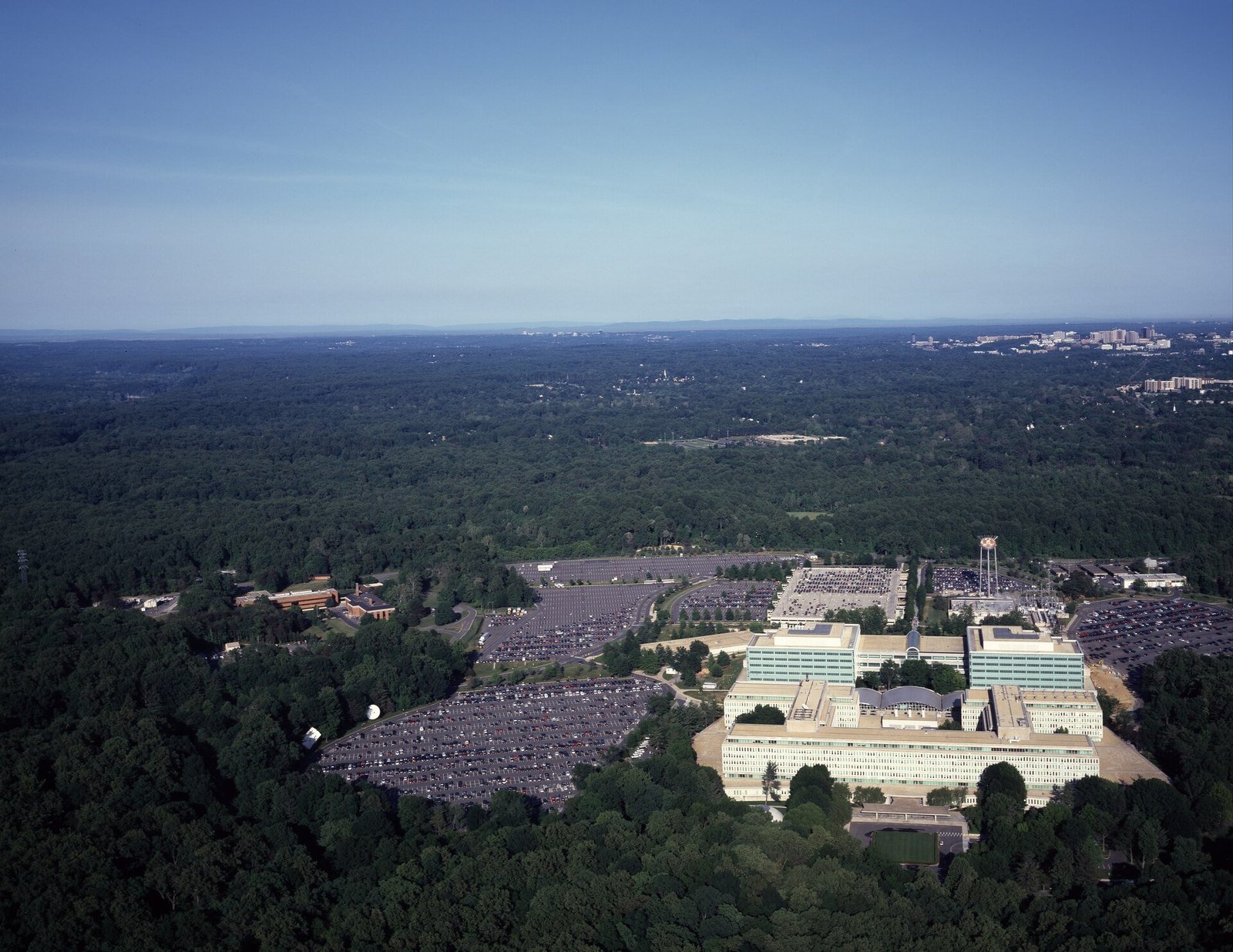
Photo: Carol M. Highsmith / Wikimedia Commons, Public domain
Why did he need gold bars?
This is the part that sounds like a Bond film. Rush told contractors he was working on a Top Secret project in which he had to deliver "high-value commodities to unnamed individuals," according to the charging papers.
Nobody asked who the unnamed individuals were. That is how secret programs work.
Between November 2025 and March 2026, he requested and received tens of millions of dollars in gold bars plus large amounts of foreign currency, all booked as work expenses. When the CIA later went looking, it was unable to locate the gold bars or most of the foreign currency.
They were at his house. The full haul weighed about 600 pounds. At the final count of $46.4 million, each bar was worth roughly $156,000.
His lawyer later called the gold "a sensational tidbit" that had nothing to do with the original salary charge. The plea deal settled that argument.
Where did the rest of the money go?
Mostly into Florida real estate. About $145 million flowed through a front company that prosecutors call "Company 1," and Rush used it to buy four luxury homes in Palm Beach and Hobe Sound.
He did not plan to live in all of them. He renovated the properties and flipped them for profit, according to prosecutors. In other words, the CIA was unknowingly funding a house-flipping business on one of the richest stretches of coast in America.
One contractor wired $45 million in a single transfer in January. That one payment is the wire fraud he pleaded guilty to.
He also charged the government $1.8 million for private charter flights that had no legitimate official purpose. And he bought two 2026 BMW Alpina cars.
When investigators froze the front company, it still held about $38.6 million.
Who actually lost the money?
American taxpayers. Every dollar came from US government funds meant for intelligence and defence work.
That is why the plea deal is built around getting it back. Rush agreed to forfeit at least $194 million in assets, including the 298 gold bars, the two BMWs, the 35 watches and four residences. He must also pay $195 million in restitution.
CIA Director John Ratcliffe, who referred the case to the FBI, did not hold back. "David Rush abused his position and betrayed the public trust and should be held fully accountable," he said.
Attorney General Todd Blanche put it more simply. "Federal employees are entrusted with serving the American people, not themselves."
Photo: Tim Evanson / Wikimedia Commons, CC BY-SA 2.0
Did he really expose a secret agent?
Yes, and for many people it is the most chilling part of the case.
Buried in the plea deal is a separate admission. In late 2025, Rush disclosed descriptive information about a US clandestine human source to a foreign government official. A human source is a real person secretly feeding information to American intelligence.
Prosecutors say that disclosure could endanger the safety and life of that person. The country has not been named.
Why he did it is still a mystery. Investigators have not said whether he was paid, pressured or simply showing off.
What is the Pentagon connection?
Rush had worked with Stephen Feinberg, now the deputy secretary of defense, through the President's Intelligence Advisory Board. The FBI interviewed Feinberg during the investigation.
Feinberg is not accused of any wrongdoing, and some officials said the two men were not close. Still, the link has fuelled questions about how high Rush's name-dropping reached and why nobody checked.
The intelligence community's own watchdog is running a separate investigation. That part of the story is still developing.
Stories like this keep surfacing about people who build a whole life on invented credentials. Some, like the antivirus millionaire who faked a heart attack to escape arrest, become legends. Rush became a defendant.
How long will he go to prison?
Rush pleaded guilty to a single count of wire fraud. It carries up to 20 years in prison, plus three years of supervised release.
US District Judge Michael Nachmanoff accepted the plea. Sentencing is set for January 28, 2027. Rush has been held in jail since June, when a judge ruled he was a serious flight risk. Prosecutors called him a "master manipulator" at that hearing.
The deal also spares the government a public trial. Both sides had warned a trial could mean long fights over classified material, the very secrets Rush hid behind.
How did one man get away with it for so long?
Because the system trusted the word "secret". Rush understood that inside a special access program, almost nobody can ask questions. So he wrote the rules, approved his own spending and called the gold a mission.
Some people make their own luck. Rush made his own top secret programs.
It worked for months. It bought him four Florida mansions, two BMWs, 35 luxury watches and 600 pounds of gold. And in the end, the agency that teaches people to keep secrets is the one that found his.
Sources: CBS News · NBC News · UPI · Al Jazeera
The week's biggest stories, every Monday
One email. The stories everyone will be talking about, before they do.
Free. One email a week. Unsubscribe anytime.Keep reading
 ViralChrista Pike survived two lethal doses and is now awake
 ViralA $40 million lottery ticket is still unclaimed, and time is running out
 ViralIs that really Megan Fox? Fans can't stop asking