A co-pilot attacked his captain with an axe at 34,000 feet. The captain's last move saved 174 passengers
Flight FZ 1073 was two hours out of Dubai when it dropped like a stone. The captain was on the floor, bleeding and half blind. What he did next, and who was sitting in the cabin, is why 174 passengers walked off that plane.
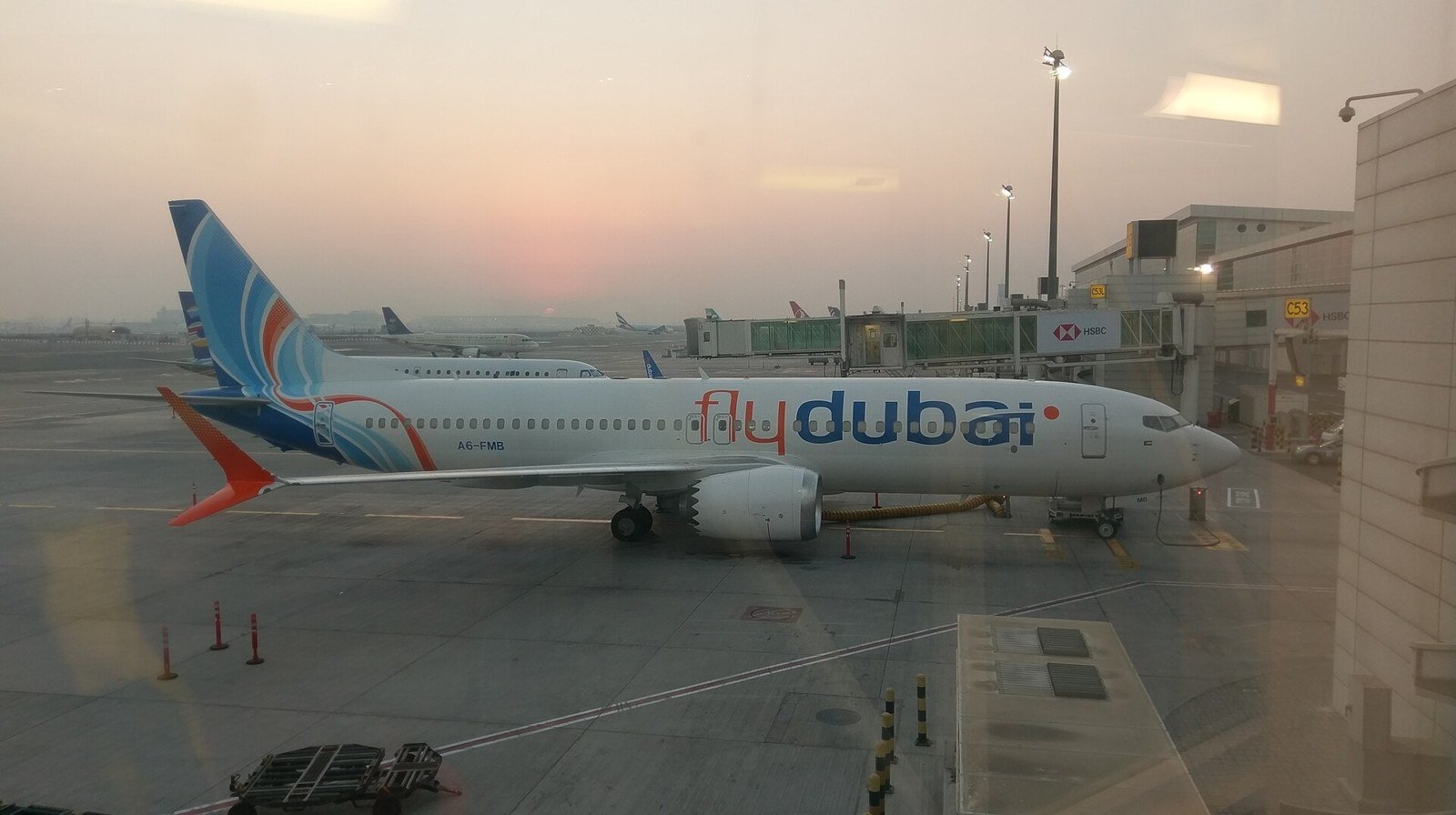
Photo: N82khan / Wikimedia Commons, CC BY-SA 4.0
- The co-pilot reportedly asked to pray in the cockpit first
- Two off-duty pilots in the cabin ended up landing the plane
- He had reportedly been grounded in Oman, then hired anyway
At 9:21 in the morning, somewhere near the border between Saudi Arabia and Jordan, a Boeing 737 cruising at about 34,000 feet tipped its nose down and fell.
Passengers on flydubai flight FZ 1073 felt the floor drop away. The jet lost about 14,000 feet in under 30 seconds, according to the UAE's attorney general.
Behind the locked cockpit door, the captain was lying on the floor covered in blood.
What happened inside the cockpit?
The flight had left Dubai at 7:05 that morning, 30 September, bound for Ben Gurion airport in Tel Aviv. On board were 174 passengers. About 150 of them were Israelis, and 27 were children.
The captain was Smit Machchhar, 38, from Mumbai. He had flown Boeing 737s for close to 10,000 hours.
He later told Israel's prime minister that his co-pilot asked to pray in the cockpit. Minutes later, he says, he felt blow after blow to the back of his head and his vision went blurry.
The UAE's attorney general, Dr Hamad Al Shamsi, says the co-pilot used the aircraft's own emergency crash axe. Every airliner carries one on the flight deck. It is there to cut through panels in a fire.
Photo: N82khan / Wikimedia Commons, CC BY-SA 4.0
How did the captain get the door open?
Cockpit doors on modern airliners are built to keep people out. After 9/11 they became reinforced, bulletproof and locked from inside. That design now worked against him.
Bleeding and on the floor, Machchhar decided he had one move left. He described it to India's prime minister, Narendra Modi, a few days later.
"I was lying on the floor injured, but I told myself to go for one last push to open the door from inside," he said.
He reached the handle. The door opened. Passengers and crew rushed in and pulled the co-pilot away from the controls.
"I was of course fighting for my own life," he said, "but at the same time I knew I was not going to let others die."
Who actually landed the plane?
Here the flight got lucky in a way nobody could have planned. Two off-duty flydubai pilots were travelling in the cabin as passengers, heading out to work another flight.
They took over the cockpit. By 9:28 the transponder was squawking 7700, the code for a general emergency. At 9:35 it switched to 7500, the code that tells every air traffic controller in range that a plane has been hijacked.
The jet levelled out and turned for Tabuk in north-western Saudi Arabia. It landed there at 10:45 UAE time, about 400 miles short of Israel.
Israel had scrambled fighter jets and closed its airspace. CBS reported that Israel was ready to shoot the plane down if it had to.
One bloodied passenger said on a video filmed afterwards that they heard screams and saw blood. "There were moments when we thought we weren't going to make it out alive."
It is the kind of escape that makes you wonder whether some people really are luckier than others. This one came down to two strangers who happened to be in the right seats.
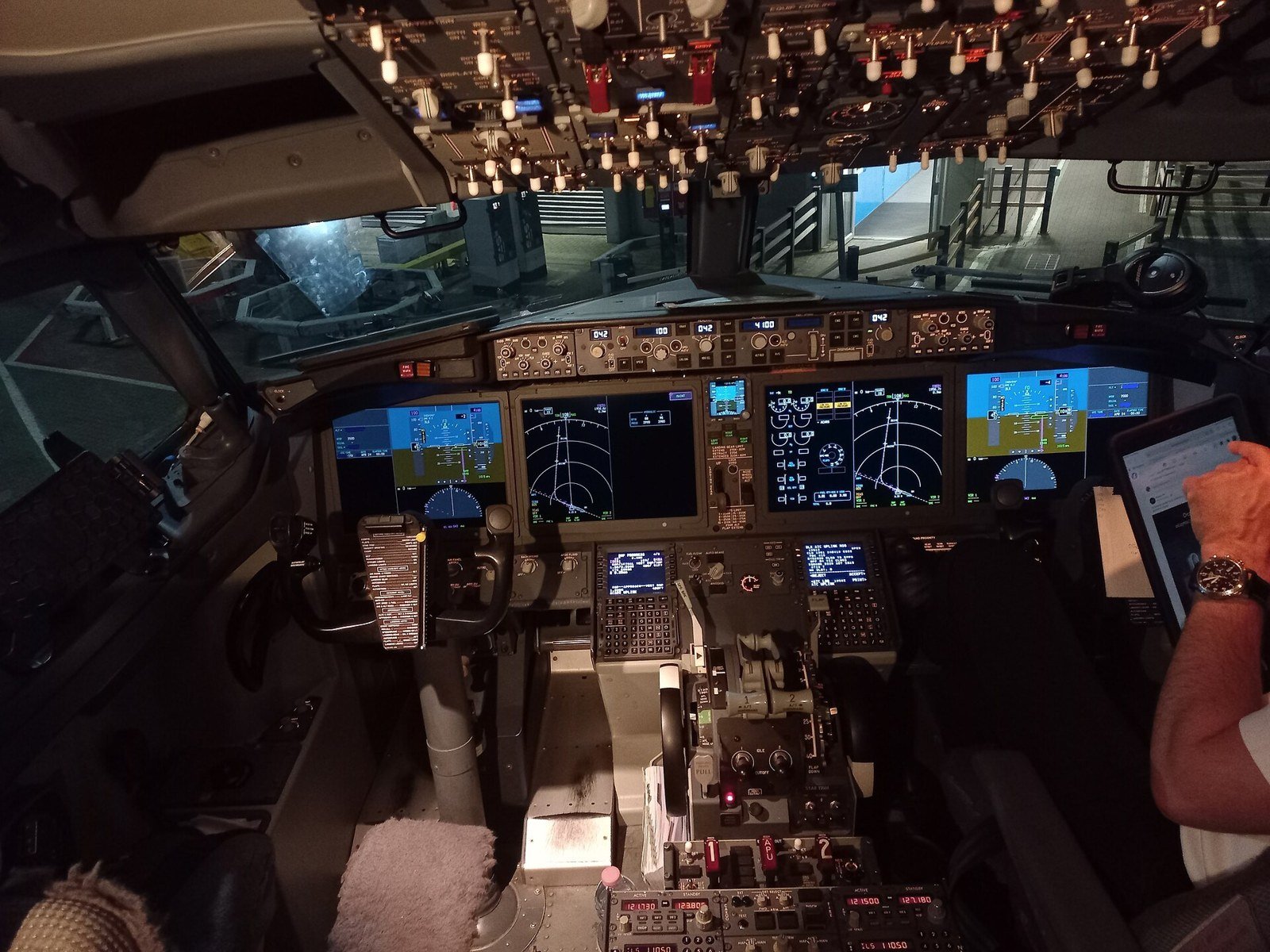
Photo: GeoMancer448 / Wikimedia Commons, CC BY 4.0
Who is the co-pilot?
He has been named as Hamam al-Hammami, 29, an Omani national. Saudi authorities arrested him on the runway and handed him to the UAE the next day.
The UAE calls it an attempted act of terrorism. Senior UAE official Anwar Gargash used the same words.
His record had warning signs. He spent seven years at Oman Air. According to Al Jazeera, CBS and the Wall Street Journal, Oman barred him from flying and moved him to a desk job over concerns about extremist views.
He left Oman Air in early 2025, flew for Royal Air Maroc, and joined flydubai in February 2026.
Why did flydubai hire him?
The Wall Street Journal says he arrived in the middle of a hiring spree. Flydubai's workforce grew from 3,682 people in 2012 to 6,763 by the end of 2025. It had about 1,500 pilots when the attack happened.
The airline ran a criminal background check. According to the WSJ, it did not check with Oman Air, the one employer that knew about the grounding.
Nobody has explained how he ended up rostered on a flight to Tel Aviv. Israeli officials told Reuters he applied to flydubai after looking for airlines that flew there. That is a claim from investigators, and it has not been tested in court.
Photo: EditQ / Wikimedia Commons, CC0
What did he want to do?
Reports say he told interrogators he meant to crash into a skyscraper in Tel Aviv or into Ben Gurion airport, and that he spoke about Gaza and dying as a martyr. Those claims come from leaks to the press, not from a courtroom.
Israeli investigators call him a lone wolf for now. Benjamin Netanyahu went further. "We are investigating whether he was dispatched," he said, "and whoever sent him will pay a very heavy price."
Donald Trump suggested Iran might be behind it. Netanyahu said it was too early to say. No evidence of any link has been made public.
What does New Zealand have to do with it?
Both men in that cockpit passed through New Zealand. Police there confirmed the co-pilot spent 175 days in the country, from November 2018 to May 2019, on a student visa for part of his flight training with a UK company.
The captain trained in New Zealand too, at Mainland Air in Dunedin, about ten years earlier. The school's chief executive remembers him as an above-average pilot.
"We train quite a number of international pilots in New Zealand," the country's aviation minister said, "so it's not surprising a few come through."
Has a pilot done this before?
Yes. In 2015 Germanwings co-pilot Andreas Lubitz locked his captain out and flew an Airbus into the French Alps, killing all 150 people on board.
In 2023 an off-duty Alaska Airlines pilot riding in the cockpit jump seat pulled both engine fire handles at 31,000 feet. The crew stopped him.
After Germanwings, many airlines brought in a rule that two people must be in the cockpit at all times. Many dropped it a year or two later. On FZ 1073 it would not have helped, because both pilots were already inside.
Aviation analyst Saj Ahmad told Al Jazeera that pilot vetting is "a single snapshot in time". A pilot who passes the checks once can still change.
What has changed since?
Israel suspended flydubai flights and later rejected the airline's request to restart them. Emirates paused its Tel Aviv codeshare. Netanyahu ordered a review of flight security, and Israel says it will now vet the identity of every pilot who lands there.
Airlines in the Gulf are reportedly bringing back the two-people-in-the-cockpit rule.
Planes have become one of the fastest ways for trouble to travel, as Kenya found out this week when a sick passenger flew into Nairobi carrying Ebola. This time the threat was sitting in the right-hand seat.
What happened to the captain?
Machchhar was carried off the plane on a stretcher with deep cuts to his head and hands. He spent days in hospital in Tabuk, then Abu Dhabi.
Netanyahu called him "a true hero". Modi phoned him. A bill honouring him has been introduced in the US House of Representatives.
The 174 passengers reached Tel Aviv on a different plane that evening. Every one of them was alive because a man who could barely see found the strength for one more push on a door handle, and because two pilots who were just going to work were sitting a few rows back.
Sources: Euronews, the captain's account · Al Jazeera · CBS News · Gulf News timeline · Jerusalem Post, on the Wall Street Journal report · 1News New Zealand · AirLive
The week's biggest stories, every Monday
One email. The stories everyone will be talking about, before they do.
Free. One email a week. Unsubscribe anytime.Keep reading
 WorldEbola reaches Kenya after a sick man flies into Nairobi
 WorldShould you be worried about the plague in Russia?
 WorldA Siberian plague lab worker died, and Russia won't call it plague