He says he has slept 30 minutes a night for 17 years. Then the cameras stayed on
Snoring on a massage table, a sudden change of rules, a famous doctor calling it a failure. Now people say he collapsed on day 4. Is he a genius of sleep, or did his body finally win?

Photo: Basile Morin / Wikimedia Commons, CC BY-SA 4.0
- He claims he has slept about 30 minutes a day for 17 years
- A doctor dared him to prove it on camera for seven days
- Day 4 is when people say his body finally gave out
The alarm goes off. A man in Japan opens his eyes after half an hour of sleep, sits up, and his body gives out.
That is the moment a clip shows from day 4 of the strangest live stream of the year. The man is Daisuke Hori, 42, who says he has slept about 30 minutes a day for 17 years.
He went live around the clock for a week to prove it. Not everyone thinks he did.
Who is Daisuke Hori, the man who sleeps 30 minutes?
Hori is a businessman from Hyogo, in western Japan. He runs the Japan Short Sleepers Training Association, which he started in 2016.
He says he did not wake up one day needing less sleep. He trained himself. Over several years he cut his nights down from eight hours to about half an hour, according to interviews he gave in 2024.
His reason is simple. Sixteen hours awake was not enough for everything he wanted to do. He paints, he makes music, he designs machines.
He says the extra hours double his life.
He also says he has taught about 2,100 students to sleep far less. One of them claimed to have gone from eight hours a night to 90 minutes and kept it up for four years.
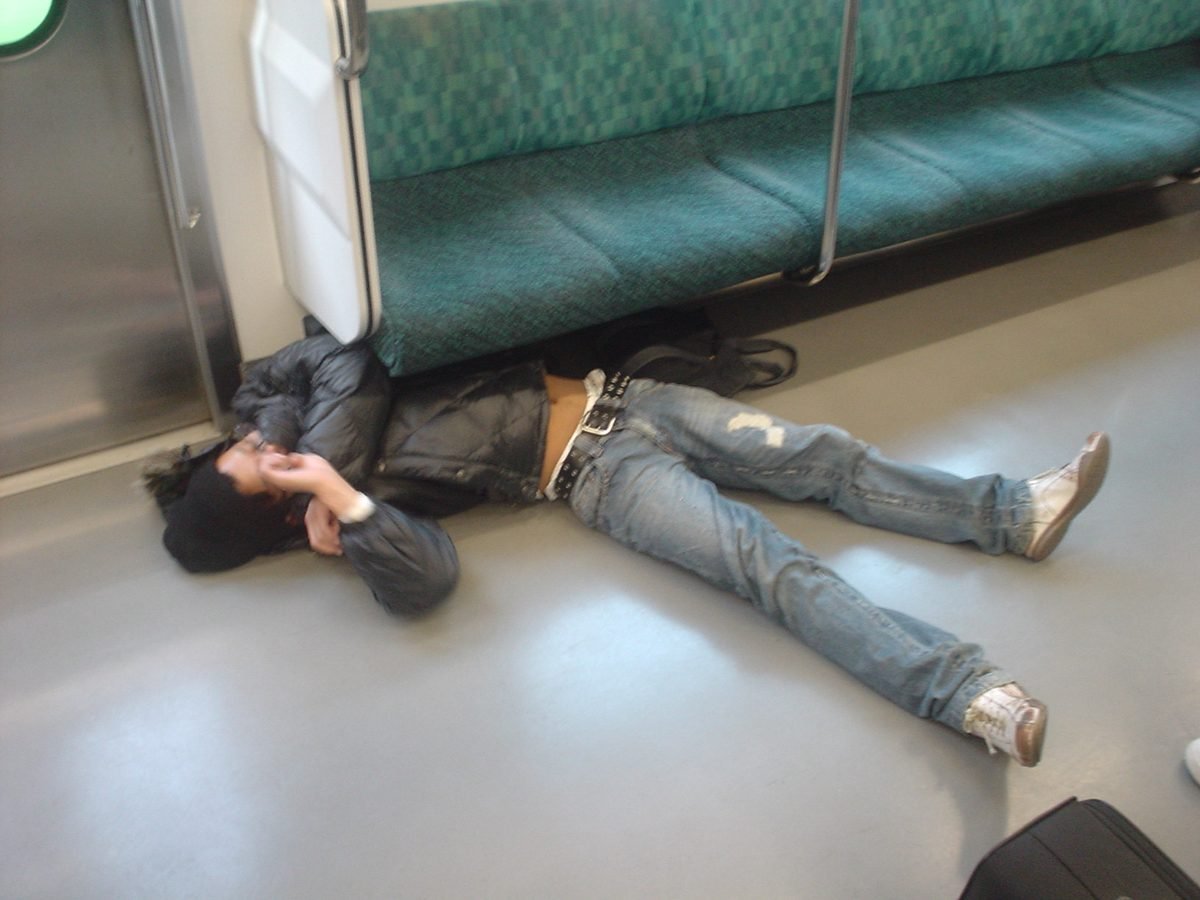
Photo: Fluffy.nns / Wikimedia Commons, Public domain
Did a TV crew really watch him sleep only 26 minutes?
In 2024, a Japanese TV crew followed Hori for three days.
They filmed him falling asleep around 2 a.m. He woke up 26 minutes later, with no alarm, the reports say.
That footage went around the world. Headlines called him a "true master" of sleep.
His tricks sound almost too easy. He says exercise or a cup of coffee about an hour before eating keeps drowsiness away. If you want to know what coffee might be doing to your body over the long run, a big study says it may slow aging.
But three days is not 17 years. And in 2026, the doubters got louder.
Why did Daisuke Hori livestream himself for a week?
In August 2026, Hori sat down on YouTube with Dr. Mikio Takasu, a well-known cosmetic surgeon in Japan. They talked about his sleep and the courses he sells.
The video went viral, and so did the doubts.
So Hori made an offer. He would stream his whole life for seven days, 24 hours a day. No edits and no breaks. If he slept more than his 30 minutes, the whole country would see it.
The stream started around 8 p.m. on 9 September. At its busiest, tens of thousands of people were watching at the same time.
What happened on day 2 of the stream?
It took about one day for the trouble to start.
On 10 September, Hori lay down for a head spa treatment. His eyes closed. Then viewers heard him snore.
He seemed to be asleep for about 27 minutes on a massage table, in the middle of the afternoon, reports say. That was on top of the sleep he was allowed at night.
Hori had an answer. He said it was not real sleep but "microsleep", tiny drop-offs of a few seconds. He counted about 10 of them during the broadcast.
He told critics not to jump to conclusions from a narrow view. A martial artist named Valentine Hosokawa publicly asked why anyone proving they barely sleep would book a treatment where you lie still with your eyes shut.
Did the 30-minute sleeper really collapse on day 4?
This is the moment that blew up again this week.
A clip shared on 6 October with 951.6K views says that 4 days in, Hori wakes up after his 30 minutes and completely collapses. Japanese reports from the stream do not describe a collapse in those words. What they do show is a man under pressure.
On 14 September, day 5 or 6, Hori changed the rules. He said he would start taking short naps. In his own words, he had been too fixated on 30 minutes of sleep.
Dr. Takasu watched it all. In a video of his own, he said the 30-minute sleep project was a failure.
In the early hours of 15 September, about 127 hours in, the stream cut out after a slip-up in the bath that viewers complained about. A new stream started soon after, and the challenge went on.
The comments have been brutal and funny. One person worked out that the limit must be "17 years and 4 days". Another said it was time for the matchsticks, the cartoon trick for propping your eyes open. Others called it a cry for attention.
What happens to your body after four days without proper sleep?
The best real-world test is more than 60 years old.
In the winter of 1963 to 1964, a 17-year-old in San Diego named Randy Gardner stayed awake for a school science project. Stanford sleep scientist William Dement came to watch.
Gardner lasted 264.4 hours, just over 11 days, without any stimulants. It is still the longest scientifically recorded stretch without sleep, NPR reported on the record's 60th anniversary.
He paid for it as the days went on. After two days he struggled with simple tongue twisters. By about day 5 he was hallucinating. His memory slipped and his mood swung.
People in the replies shared their own stories. One said that by day 6 without sleep, the walls started breathing and they heard their name being called.
That is the zone Hori was walking into on camera. After days of short sleep, the brain starts grabbing sleep wherever it can. Microsleeps are one way it does that, a few seconds at a time, whether you want them or not.
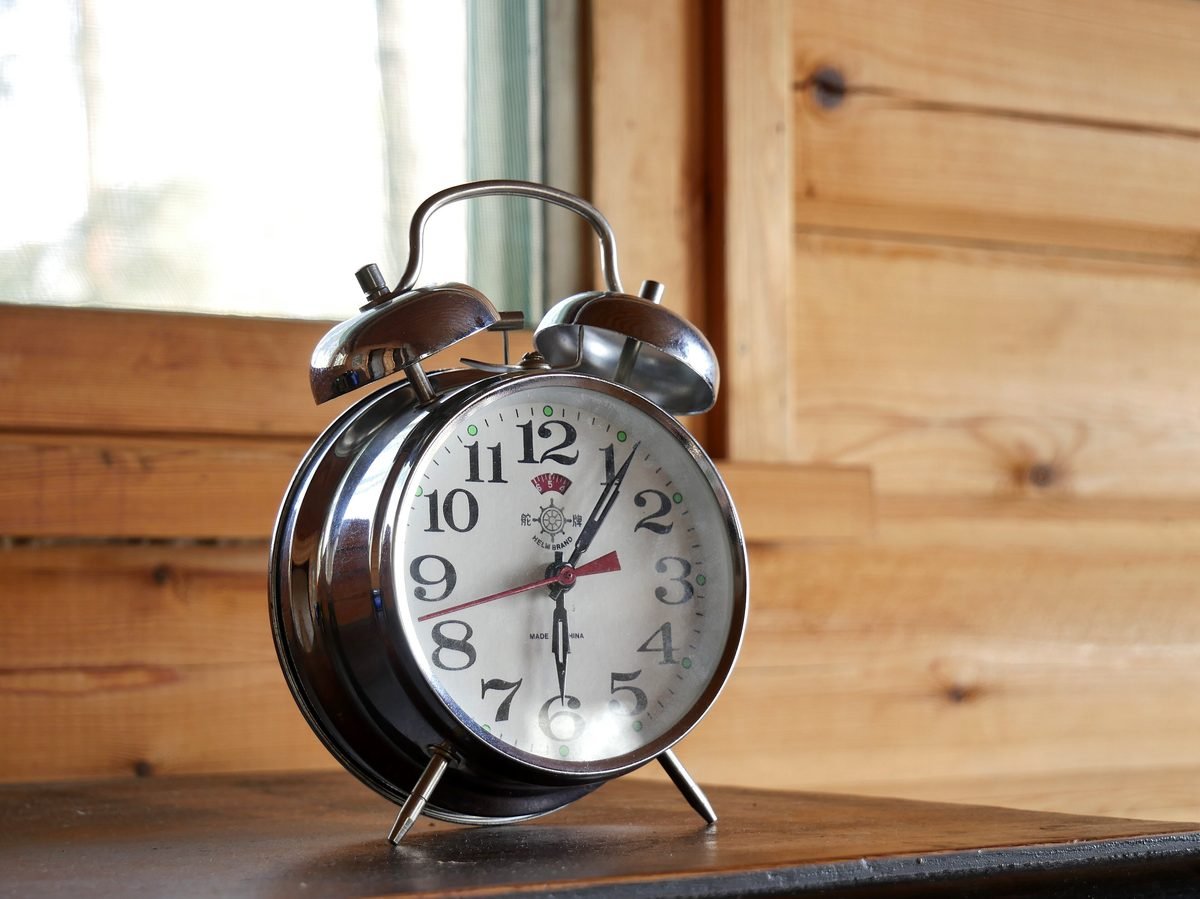
Photo: Santeri Viinamäki / Wikimedia Commons, CC BY-SA 4.0
Is there a gene that lets people sleep less?
There is, and it is real.
At the University of California, San Francisco, neurologist Ying-Hui Fu has spent years studying families who need very little sleep and still feel great.
In 2009 her team found a change in a gene called DEC2. People who carried it slept about 6.25 hours a night, compared with about 8 hours for everyone else. In 2019 they found a second short-sleep gene, ADRB1.
These natural short sleepers get by on four to six hours and wake up rested. That is a long way from Hori's 30 minutes. Scientists have not found anyone with a gene that goes that low.
At least, not one they have tested.
Is there a man who hasn't slept since 1962?
He may be the only person on Earth who makes Hori look lazy.
Thai Ngoc is a farmer in his eighties in southern Vietnam. He says he has not slept since 1962, after a fever when he was about 20.
His wife, children and neighbours back him up. Nobody in the village has ever seen him sleep, they say. He still works his farm and can carry 50 kg bags of fertiliser for four kilometres, according to reports.
Doctors who examined him found his heart, blood pressure and brain working normally. In 2023, travel YouTuber Drew Binsky flew to Vietnam and stayed the night. Ngoc never went to bed. He worked in the fields and made rice wine until morning.
Bodies can do strange things. A Nobel prize was won for showing what happens inside you when you stop eating, and sleep may still be hiding a few secrets of its own.
So is Daisuke Hori a genius of sleep or a fraud?
Here is what the cameras caught. A man who says he needs half an hour snoring on a spa table. A rule change on day 5. A doctor calling it a failure. And a clip that claims he hit the floor on day 4.
Here is what they did not catch. Seventeen years of Hori's life before the stream, and the 2,100 students who say he changed theirs.
The challenge went on after the stream cut out.
Tens of thousands watched a man try to beat sleep live. Sleep fought back. But somewhere in a village in Vietnam, an old farmer is still awake, and nobody has ever caught him with his eyes closed.
Sources: Original post, 6 October 2026 · ASCII.jp, Hori's week-long live stream · Fanplus, head spa microsleep row · Interesting Engineering · South China Morning Post · NPR, Randy Gardner's record · UCSF, short sleep genes · UNN, Thai Ngoc
The week's biggest stories, every Monday
One email. The stories everyone will be talking about, before they do.
Free. One email a week. Unsubscribe anytime.Keep reading
 ViralFNB customers say their accounts keep sliding into minus
 Viral500 days alone in a cave, and she lost track of time
 ViralKarl Bushby is back in Britain after 28 years on foot