Ramaphosa says no part of South Africa can leave. A majority in the Western Cape still want a vote on it
Cape independence was long a fringe idea. Now the president answers questions about it in Parliament, a party with seats has taken in the movement, and its leader is asking Washington for help.
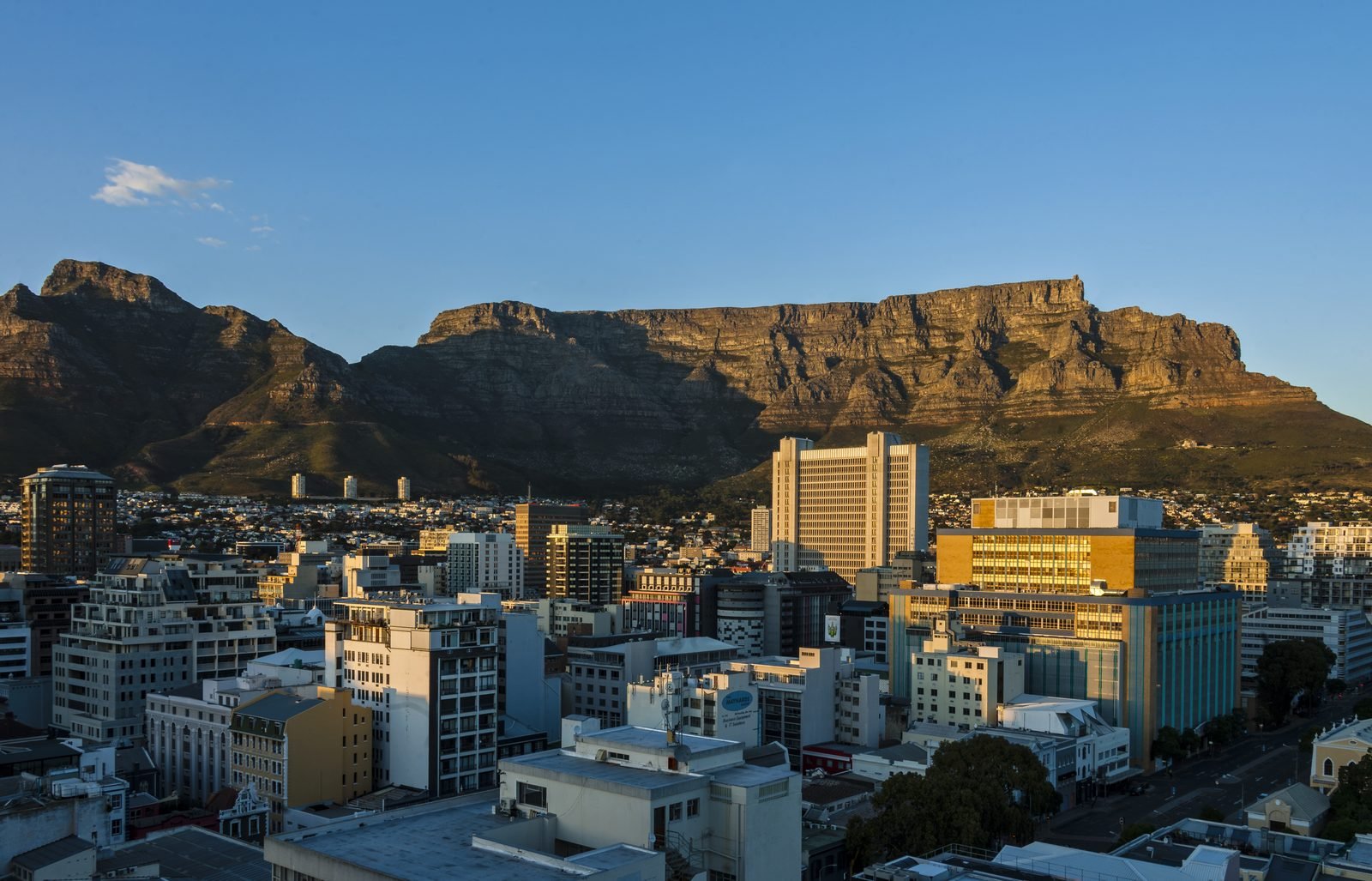
Photo: Daniel Case / Wikimedia Commons, CC BY-SA 3.0
- A poll found 51% of Western Cape voters want an independence referendum
- Activists asked Donald Trump to back a vote on leaving
- The Western Cape is the only province with its own constitution
"To flee is to surrender."
That is how Phil Craig ended one of the most talked-about letters in South African politics this year. In May he wrote to US President Donald Trump. He did not ask for refugee visas. He asked Trump to help the Western Cape hold a vote on leaving South Africa.
"Afrikaners and other minority groups do not need a new home," Craig wrote, according to The Citizen. "We love the one we have."
Pretoria's answer was blunt. But the idea has not gone away. If anything, it has grown louder.
What is Capexit?
Capexit is the nickname for the push to turn the Western Cape into its own country. Supporters call it Cape independence. Some want to name the new nation the Cape of Good Hope.
The loudest voice is the Cape Independence Advocacy Group (CIAG), formed in 2020. Craig, its co-founder, moved to South Africa from Britain in 2004. His children speak Afrikaans as their first language.
There are others. The Cape Independence Party has two seats on Cape Town's city council. A non-profit called CapeXit says it has signed up 52.6% of its goal of 1.6 million supporters, which works out to roughly 840,000 people. It dreams of a Swiss-style system with no income tax at all.
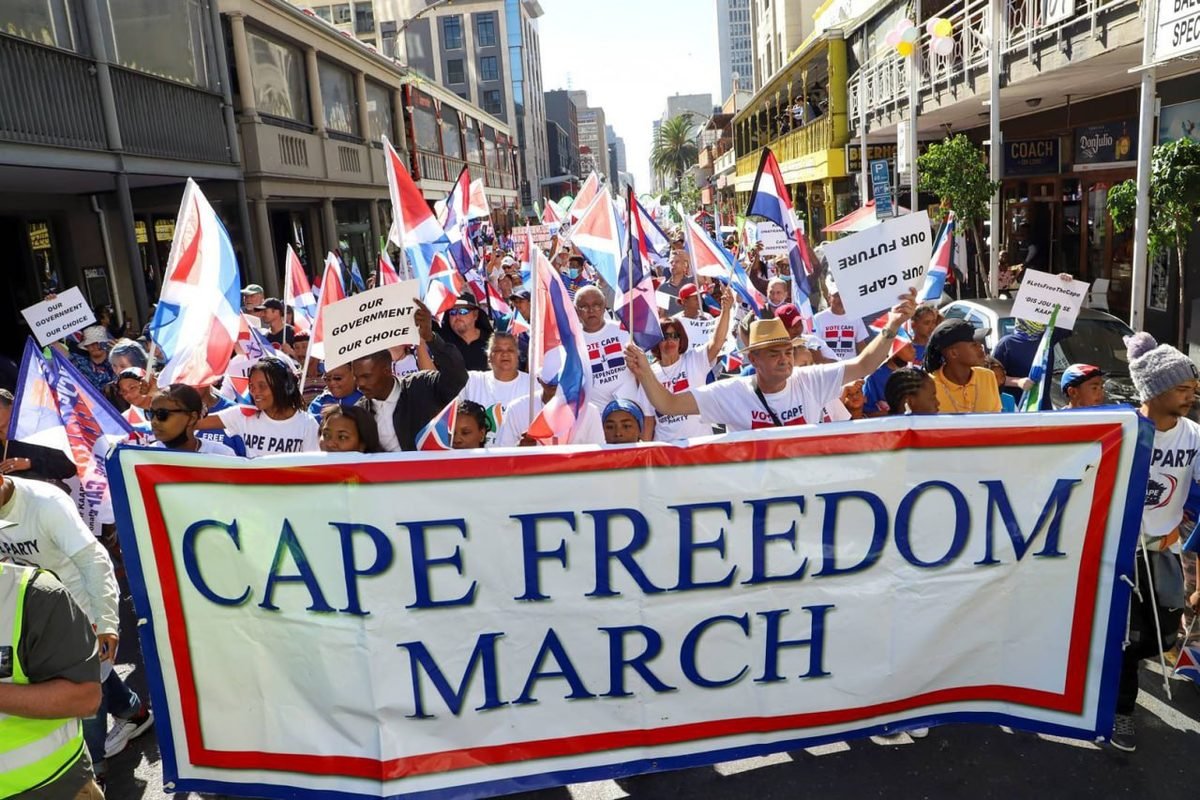
Photo: Suffy69 / Wikimedia Commons, CC0
Who supports Cape independence?
More people than you might think, according to the movement's own polling. The CIAG pays Victory Research, an independent polling company, to ask Western Cape voters what they want.
In its 2025 poll, 51% of voters backed a referendum on independence, and 43% backed independence itself. Support was highest among Coloured voters at 60%, followed by white voters at 47%. Among Black voters it was 16%, a 2026 academic study of the movement noted.
The 2023 poll, with 1,080 people asked, went even higher. It found 68% wanted a referendum and 58% wanted out. Critics point out that these polls are paid for by the campaign and use small samples. Supporters answer that nobody else is asking the question.
Why do people want the Western Cape to leave?
The Western Cape votes differently from the rest of the country. The Democratic Alliance (DA) has run the province since 2009. In 2024 it won 55.3% of the provincial vote and 24 of the 42 seats. Nationally, the ANC has led every government since 1994.
Supporters say that means Cape voters keep choosing one direction, while a government they did not pick runs their police, trains, ports and power. The CIAG's website puts it simply. Its government is "not chosen by us, but despite us."
Then there is the daily grind. Crime, blackouts, broken trains and corruption top every complaint list. Even the banks can feel like they are working against you, as FNB customers stuck in the minus will tell you. For many families, the murders on South Africa's farms are the clearest sign that the state has stopped protecting them.
The province is also different on paper. It has about 7.4 million people, and no single group is a majority. It is the only province with its own constitution, which opens with the words "we the people of the Western Cape".
Can the Western Cape become independent?
The movement says yes, and points to two parts of South Africa's constitution. Section 235 mentions the right of communities with a shared culture and language to self-determination. Section 127 says a provincial premier can call a referendum in the province.
Most legal experts disagree. UCT law professor Pierre de Vos has written that secession is a national matter that only Parliament can bring about, by changing the constitution. A Daily Maverick fact check added that even if a provincial vote happened, the result would not be binding.
But there is a twist. In a famous 1998 ruling on Quebec, which legal experts around the world still quote, Canada's Supreme Court said a clear majority on a clear question creates a duty for the national government to sit down and negotiate. That is exactly the door the movement is trying to push open.
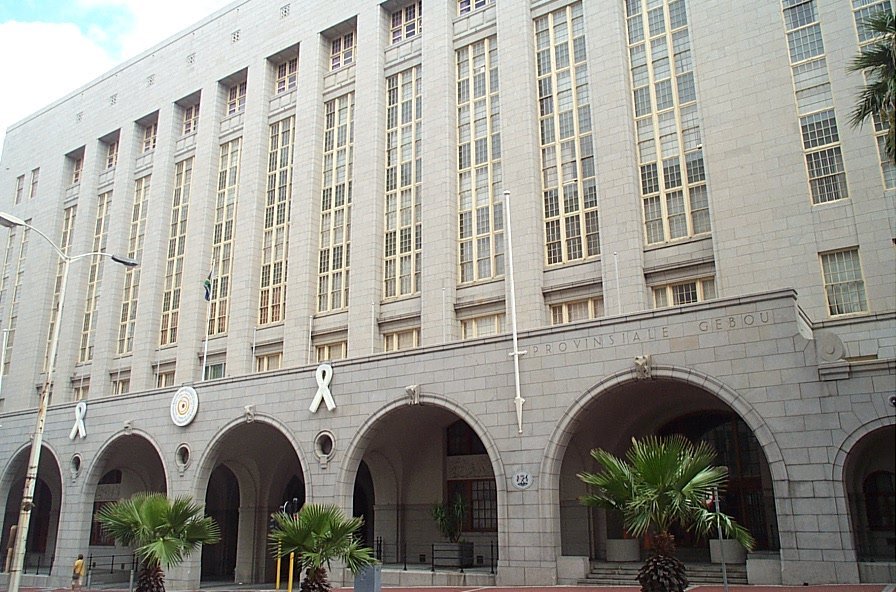
Photo: Kaihsu Tai / Wikimedia Commons, Public domain
Is there going to be a referendum?
Not an official one, for now. In December 2025, President Cyril Ramaphosa was asked about it in Parliament by an EFF MP. "I have no intention of considering a proposal or holding a referendum on the secession of any part of the country," he said, IOL reported.
The CIAG called the answer proof that Cape independence is now firmly part of the national debate. It also argued that the president has no say. The power to call a provincial vote sits with the premier.
Premier Alan Winde has refused to call one. His party prefers more powers to independence. The DA's Western Cape Provincial Powers Bill asked for control over policing, transport, harbours, electricity and water. The national Cabinet slammed it as a power grab.
So the CIAG says it will hold its own private referendum, following an example set in Veneto, Italy. Craig has said money is the biggest obstacle.
What does Trump have to do with it?
The US is now part of the story. The CIAG sent a group to Washington in 2025, and Craig says he met members of Trump's administration.
Trump's government has been taking in white South Africans as refugees. Of the first 6,668 people admitted under the current US refugee cap of 7,500, 6,665 were white South Africans, according to figures reported by VisaVerge. Craig's letter argued that a free Cape "will do more for Afrikaners and other minorities than refugee status ever can."
He also pitched the Cape's spot on the world's shipping lanes. A "democratic, Western-aligned partner at the southern tip of Africa" would serve America's long-term interests better than anything else, he wrote.
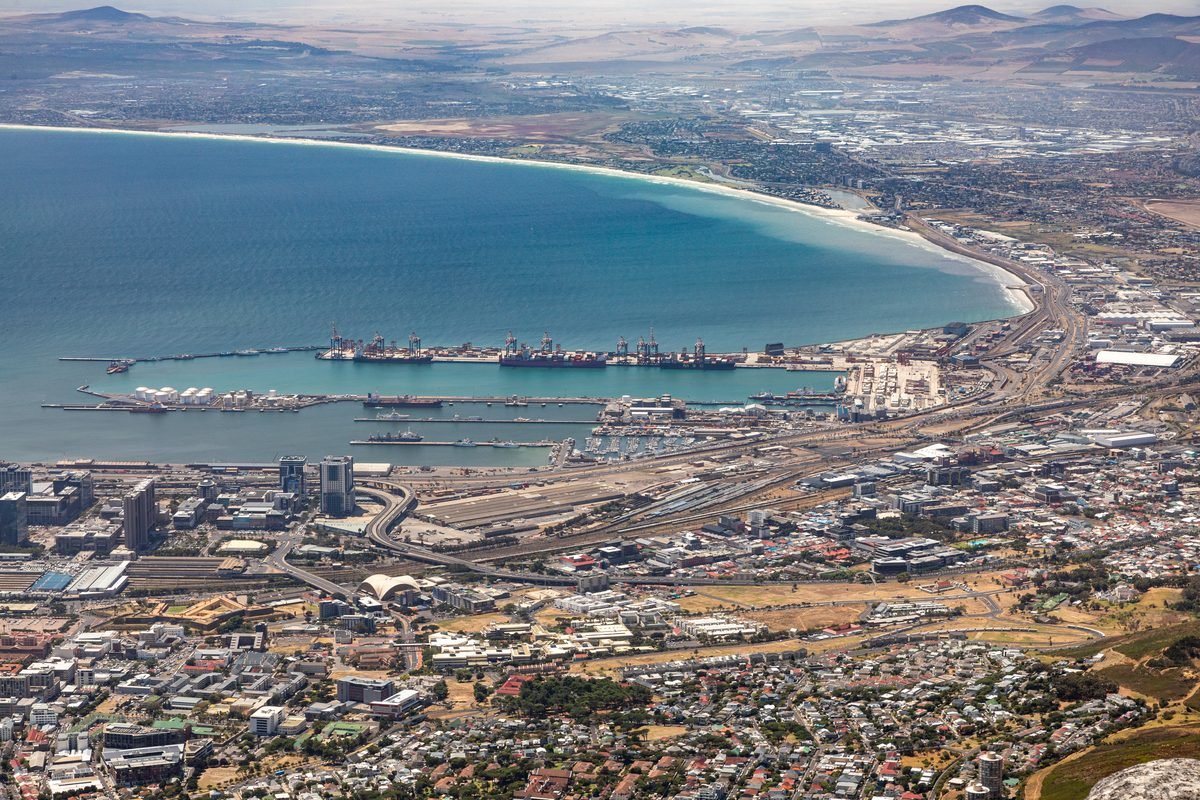
Photo: Dietmar Rabich / Wikimedia Commons, CC BY-SA 4.0
Pretoria pushed back hard. "South Africa is a sovereign Republic, not a foreign protectorate," a foreign affairs spokesperson told The Citizen. Presidency spokesperson Vincent Magwenya said earlier that "there is no part of our beautiful land that can be allowed to secede."
Why do critics call it racist?
Opponents see something darker in the movement. A Mail & Guardian opinion piece in February called Western Cape secession "plain bigotry" and compared it to apartheid's homelands.
The 2026 academic study said the leaders of almost every independence group are white. It also noted that the province still has the highest murder rate of any province, even under DA rule. Patriotic Alliance leader Gayton McKenzie, whose party speaks for many Coloured voters, has criticised the idea too.
Craig has faced a petition to deport him that reached 59,800 signatures. The government refused. Home Affairs Minister Leon Schreiber said he would not withdraw Craig's residency over a political disagreement.
Could Cape independence actually happen?
This year the movement stepped out of the fringe. In March, Craig's Referendum Party merged into the Freedom Front Plus, a party with six seats in the National Assembly and a seat in the provincial legislature. "This deal delivers us political representation now," Craig told The Common Sense.
FF Plus leader Corné Mulder has said leaving South Africa is not one of his party's guiding principles. But he backs self-determination, and in 2024 his party promised a referendum if it ever won a majority in the province.
On 4 November, Cape Town votes in local elections. Washington and Pretoria are trading sharp words. And the CIAG is still raising money to print ballots for a vote nobody in power wants to hold.
The president says the answer is no. Half the province says it would like to be asked.
Sources: The Citizen, Cape Independence group asks Trump for a referendum · IOL, CIAG challenges Ramaphosa's referendum rejection · Sunday Tribune, Ramaphosa rejects secession referendum · The Round Table (Taylor & Francis), 2026 study of the movement · The Common Sense, FF+ and Referendum Party merge · EWN, FF Plus on the merger · Daily Maverick fact check · CIAG / Victory Research polling · CapeXit · Mail & Guardian opinion · IOL, deportation petition · Business Day, Cabinet on the Provincial Powers Bill · VisaVerge, US refugee admissions · eNCA, local elections on 4 November
How does this make you feel?
The week's biggest stories, every Monday
One email. The stories everyone will be talking about, before they do.
Free. One email a week. Unsubscribe anytime.Keep reading
 PoliticsKaroline Leavitt left the podium and the gloves came off
 PoliticsThe farmer the world won't believe
 ExplainedWhy your bank account can go negative without an overdraft